
Virtual Interview Tips For Job Seekers and Interviewees

Image via Shutterstock

Due to COVID-19, many individuals have been permanently/temporarily laid off and furloughed by their employers. I have seen and heard from a handful of individuals who have been raving about offering advice in enhancing their interview skills.

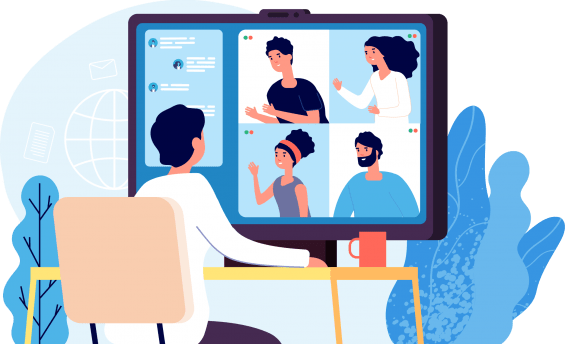
As many sectors and industries are starting to bustle and slowly pick back up on their hiring, many of us are all still on a stay at home order, this could be a great opportunity to practice and enhance our virtual interview skills on during our downtime.

Below, are outlined pointers and constructive suggestions on what many interviewees may be lacking on. Hopefully, these will provide actionable insights on their blind spots.


  • A strategy that interviewees can use to respond to the behavioral questions, are by using the STAR method (specific Situation, Task, Action, and Result of the situation you are describing) and break down examples into a 1, 2, 3 process – three strengths and accomplishments.
  • Interviewees would need to come up with an overview of experiences and look into the camera and the interviewer. Have specific examples of strengths at the workplace; don’t start talking about weaknesses. Make sure to highlight your contributions in handling difficult situations and be specific. Every answer should highlight your skills in some way and how you’ve used it in the work environment.
  • Think about common interview questions as starting points, and the interview might go in different directions based on the interviewee’s responses. This way, the interviewee can think about he/she wants to expand on. For instance, if you talk about your degree, you could explain how it ties in to your prospective job. If you discuss about empathizing with a customer making a complaint, the follow-up questions might be on how you handled the complaint.
  • Before considering submitting your application before wondering if you’d get selected to the interview, ALWAYS be sure to highlight achievements on the resume and make sure your resume have consistent formatting style.
    • The resume needs to explain what motivated you to apply for the X position and why you feel that you are a good fit.
    • The resume needs to highlight the achievements and recognition that you have received in your previous roles.
  • Provide more relevant examples when answering these interview questions. Emphasize motivations of the job application.
    • Use storytelling skills to help the interviewer better understand your experience.
    • When telling your story, do not repeat your resume. Talk beyond your resume! Show your background interest and indicate a turning point/motivation as to why you’re here.
  • It is crucial to give more context and nuances of your experiences and highlighting your skills. Some interviewees tend to answer questions by giving quick answers in a list format. This makes it hard for the interviewer to extract the interviewee’s skill sets from those kinds of responses.
    • Your answers should not lack details. Being more abstract in your answers could help the interviewer to better understand you by preparing a story (with numbers, how you helped benefit the company, client testimonials, etc) that can be used to convince the interviewer.
    • Brainstorm some good projects during school, your contribution, how/why the project was challenging and how you tackled it. It would be ideal if you can highlight these utilizing numbers.
  • You should tie the relevance of your studies/degrees together (those who are college graduates), answers should be focused on your experience (whether it was short or extensive), providing good specific answers and supportive examples, showing your independent work skills, freelance/self-employed work (if applicable) and teamwork skills.
    • If you are a bilingual/trilingual/multilingual native speaker, you should emphasize that! Especially for those who have bilingual experience. This is very important to highlight since this is an asset to have for many employers.
  • Here is the part that most interviewees lack on. What you should do is to be more prepared for questions related to the role that you are applying for. You should be able to prove your knowledge and passion for the field/role in general. Be ready with 2-3 examples of how your previous projects/work will be able to help with that respective job/role related to your field of interest.
  • Interviewees sometimes answer their weakness questions too quickly however, be sure to expand on how you will work on that in your future interviews! How will you work to improve on that weakness and what you can learn from that weakness?
    • For example, you may want to explain how you are developing your own skills outside of work or during your downtime (learning Microsoft suite, attending relevant webinars) in between jobs – this shows you’re taking initiative and that you care about personal growth.
    • Interviewees should try to be more concise with responses to really get the point across. Explain your experience in chronological order to tell a better story of all the skills that have been developed. How will these developed skills help with future roles? Practice telling stories of situations at work that will prove the skills that you have. Have 2-3 examples/stories prepared, so you can answer behavioral questions. Approach questions with confidence – don’t let them know that you’re thinking about an answer or that a question is making you nervous.
  • Be ready to clarify any questions that may arise about your resume. Like, what does CMS stand for? It can stand for a lot of things. Customer Management Services, for instance. It is recommended that you should spell it out so that the interviewer does not have a hard time figuring it out.
    • Generally speaking, you should avoid acronyms on resumes especially if you are applying through their website since chances are – you will have to go through an Applicant Tracking System because it is tailored to the job description’s needs so you want to include everything word for word.
  • Don’t be too insecure! You have the experience already! Now you should just practice more, and work on being more concise with your answers. Focus on the opportunity that you’re interviewing for, what you like about the company and the job description, instead of focusing on the loss.
  • Spend more time talking about yourself, than others in your team. Don’t give them too much credit. You are who the interviewer is more interested in learning about, not your team. They want to know what skills you can bring to the table.
  • While answering questions, interviewees should shorten the context that they give and focus on telling the story in a way that answers the question. You should keep in mind to always be as specific as possible when talking about what you’ve done/accomplished and touch on why it mattered or how you helped other people/the outcome of a project.
    • You should bring up concrete examples that can address the question and keep highlighting the impact of your actions. Interviewees should specify about how they went about doing something (such as examples of steps they took to accomplish or overcome something and what they learned from that) or their rationale for convincing others to do the same.
  • Interviewees may start off with an excellent way of introducing themselves, however they can work on reordering and structuring their introductions to be more cohesive.
  • Highlight your skills and experiences that will be applicable to the role that you are looking for (need to brag a little, don’t be shy, don’t short sell)
  • Call out soft skills as a bonus, highlight “hard” skills relevant for the role first. For instance, if you are applying for finance/analyst roles, highlight the analytical skills and experiences first; instead of highlighting having empathy or being well-rounded first. If looking into compliance roles, highlight your auditing related experiences first.
  • As we all know, a good interviewee is a clear communicator and gives thoughtful answers. Be more confident – don’t say you think you’re not qualified for role because a lot of job seekers tend to accidentally blurt that out because of their loss of hope after receiving multiple rejections.
    • Interviewees should show their self-motivation through various examples by emphasizing that more instead of keeping it implicit, so the interviewee can try to touch on these through the interviewer’s questions – in such a way where they can think about how their work experience in other fields carries over to their desired role.
  • For those who are applying for software development/engineer roles, a good interviewee expresses their interest clearly in different topics and by keeping up-to-date with new technologies.
    • For this particular role, expect the interviews to be more technical rather than behavioral. Talk more and sustain a back-and-forth with the interviewer. (Ask questions, share thoughts aloud, etc). You should possess good ideas related and think through the problem well.
    • In case you are asked to perform unit tests in the interview, it is better to be prepared because it is all about first impression. Practice verifying the code without relying on a compiler. Are you able to supply your own test cases? Can you run through your code with a test case and spot bugs without running the code?
  • It is recommended that interviewees should always ask follow up questions toward the end when an interviewer asks “Do you have any questions?” to show them your continued interest and your consideration for the job; this also helps the interviewee understand real intentions behind a question.
  • This is obvious, however to bring this up as a reminder – regardless of which spectrum you lie on, you should never bring up politics on interviews.

How Emily Chan Discovered That Human Resources Management & Entrepreneurship Was The One

Emily Chan has recently graduated Magna Cum Laude from Rutgers University with a Bachelor of Arts in Human Resources Management and Entrepreneurship. Four years ago if you had told her this, she would’ve thought that you were crazy! Growing up, Emily had always wanted to be a doctor and her parents have always wanted her to be a doctor. It was the only career path she really knew that she was certain about so for the first two years of college, Emily was taking pre-medical classes like Chemistry, Biology, Physics, etc. and all of her extracurricular activities were focused around this field. Emily volunteered at Saint Peter’s University Hospital near her campus, she worked part time at an ophthalmology office, she performed research at a campus lab through the Aresty Research program, and she was involved with various on-campus medical organizations like the American Medical Student Association.

Despite immersing herself fully in this career path that she always thought she wanted, she was incredibly unhappy, stressed, and unfulfilled. Emily started questioning herself whether or not she was making the right decision and whether medicine was truly what she wanted to pursue for the rest of her life. These feelings intensified throughout sophomore year and it was a period of uncertainty and fear, but also growth.

Emily felt an overwhelming urge to explore other areas of study, but she had no clue where to start! There was so much pressure to find her “passion” and being that she has already spent two years taking classes that she no longer needed anymore, she felt even more pressured to quickly discover something that she liked. Therefore, she began reaching out to her advisor as well as her network of older friends and classmates to seek for advice. Talking through her strengths and weaknesses, as well as her likes and dislikes has really narrowed down the list for her. Emily came to the realization that she wanted to be in a position that is focused around people and that was how she landed her career in Human Resources Management!

Emily began enrolling in introductory HR classes and she received an internship outside of school to supplement her knowledge. She wanted to gain a 360 experience of in-class knowledge as well as real world experiences to see if HR was what she really wanted to pursue. Obviously, Emily ended up sticking with it and she can gladly say it was one of the best decisions that she has made in college!

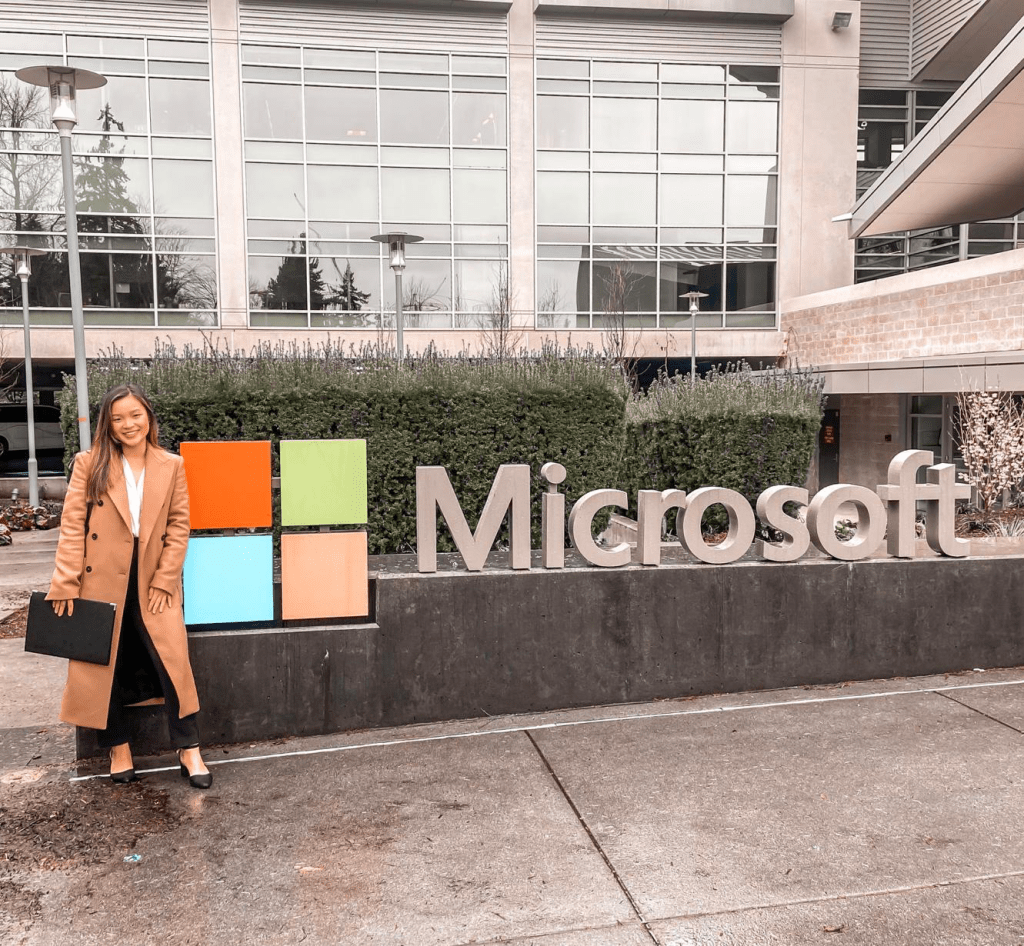
Right out of graduation, Emily was offered a full-time opportunity with Microsoft as a Talent Sourcer for Engineering and Operations and she has recently launched a passion project called CEO Mindsets that is focused on providing digestible and actionable career advice. She can definitely say that she has come a long way since she first started college and she is really excited to see how her career will grow in the future! Connect with Emily on LinkedIn if you are seeking for career advice!


• What role has your education at Rutgers University and your colleagues/mentors/family/friends played in your career path?

Both my personal and professional network have been an immense help in getting me to where I am today. When I first started thinking about switching career paths, I didn’t even have a resume or know how to properly write one! I asked so many different people for help to write and review my resume and to this day, I still use all of the advice I received when I’m editing my own resume or reviewing other people’s resumes. Something I’ve realized is that most people are more than willing to help if you just ask. I’m so grateful for all the help and support I’ve received throughout these last couple of years from both my personal and professional network.


• How has your HR internships prepared you for your role as a Talent Sourcer for Engineering and Operations at Microsoft?

Through my various internship experiences, I’ve gotten a behind the scenes look at how different recruiting processes can be at different companies. Not one company is perfect, but each one has their strengths. I can take the strengths that I’ve picked up from each company and bring them all to my work as a Talent Sourcer at Microsoft. My various HR internships have also taught me to be confident in the workplace and understand that I can bring value to the table despite my young age. 


• What are you hoping to accomplish and contribute during your time at Microsoft?

During my time at Microsoft, I am hoping to add to the diversity at the company through recruiting. It already seems like a company that values diversity and I want to supplement that. Diversity is so important in and out of the workplace and I want to create an environment where people feel comfortable being their authentic selves. I also want to create a group at Microsoft that focuses on community service through crafting, which are two of my biggest passions. All throughout college, I was part of a school organization called Craft to Cure that creates functional crafts like hand warmers, dog toys, etc. to donate to local charities and it would be amazing to find a community passionate about crafting and community service at Microsoft!


• What are your long-term goals at the moment?

My first long term goal is to become a full-time entrepreneur. After my internships, I’ve realized that I really didn’t like being confined to a 9-5 job. I definitely learned a lot while working in corporate jobs and I really appreciate the network I’ve built as well as establishing a routine. However, the ultimate vision for me is to be my own boss. I enjoy the autonomy of it and I can really pursue anything I can dream of! One idea that has been in the back of my mind is opening my own coffee shop that features Asian flavors as a tribute to my culture. I really enjoy coffee and have an Instagram page dedicated to it – @ssmolbeans.

My second long term goal is to be more financially literate. Money has always been a sensitive topic for me. I’ve noticed that a lot of women shy away from this topic. My goal is to learn more about personal finance, how to invest, and how to build and maintain wealth. I recently started following personal finance Instagrammers and Youtubers and have learned so much so far, but I still have a long way to go! I’m excited to start on this journey of being more transparent about money and having a healthier relationship with money overall.


• Congratulations on launching your business venture, CEO Mindsets! Could you tell us more about what drove you and your friend to start this? What is the purpose/goal of this business?

One of my biggest inspirations to start CEO Mindsets is @girlmeetswealth on Instagram. This is a personal finance page run by someone I knew from high school and she posts tons of awesome tips that have helped me start my personal finance journey. I’ve always loved content creation and posting on my personal Instagram and after following @girlmeetswealth for a couple months, I was inspired to do something similar but for my area of expertise: job searching. I was also inspired by a post I saw on LinkedIn that listed some really great companies that were founded during a recession and I thought to myself, “Now is as good of a time as ever. If other people can do it, I can do it too.” So I told my friend how I wanted to do this and she wanted to join in and the rest is history!

The goal of CEO Mindsets is to provide digestible and actionable tips about careers, job searching, networking, professional development, etc. A lot of students don’t know where to start when it comes to any of this or feel extremely overwhelmed. I was definitely in a similar situation when I was in school and did a lot of soul searching to find what works for me. We want to help students and graduates bridge the gap between their passions and careers!


• You have experienced the same path as many other students, where you were certain that you would become who you thought you would be as an undergrad – however things took off in a different direction. What would you tell those group of individuals?

Take your time and don’t worry about having things figured out. Everyone moves at a different pace through life and there is no need to feel rushed because other people already know what they want to do. You have your story and they have theirs. Take it day by day and trust that everything will work out!


• You hold a Bachelor of Arts in Human Resources Management and Entrepreneurship. This is an interesting combination. What led you to go towards these 2 fields of your studies?

I chose Human Resources Management because I wanted to be in a position that is focused around people. I love being able to help others and I find it very fulfilling. I chose Entrepreneurship because of an elective I took that was part of that curriculum called Creativity, Innovation, and Entrepreneurship. This class changed my mindset so much. It taught me to go out of my comfort zone to become better. It taught me that it’s okay to not have everything figured out. It taught me to chase after the things I want. Human Resources Management can be a little outdated sometimes and I want to be able to apply a fresh and innovative entrepreneurial mindset to the industry.


• You were very active throughout your college career as a peer mentor and president for clubs/organizations. How did these extracurricular activities help you develop professionally and support your success?

These extracurricular activities taught me how to manage my time better. Having a full calendar can be really fun and rewarding, but also overwhelming at times. Because of all of my responsibilities, I had to learn how to use my time more efficiently and separate my time for work and fun. It’s really a balancing act but once you master it, you won’t be stressed about work when you’re relaxing and vice versa. This will be extremely useful in establishing a work life balance when I start working full time!


• Are there any advice you would like to share for students or final undergrads?

Two pieces of advice:

  1. Everything is a lesson. Try to learn as much as you can from every win and every loss.
  2. One of my favorite professors once told me this: In your life you will be faced with, on average, 10 opportunities that will change your life. It’s your job to recognize these opportunities and say yes to them.

Labor Market Updates Regarding 2020 Unemployment

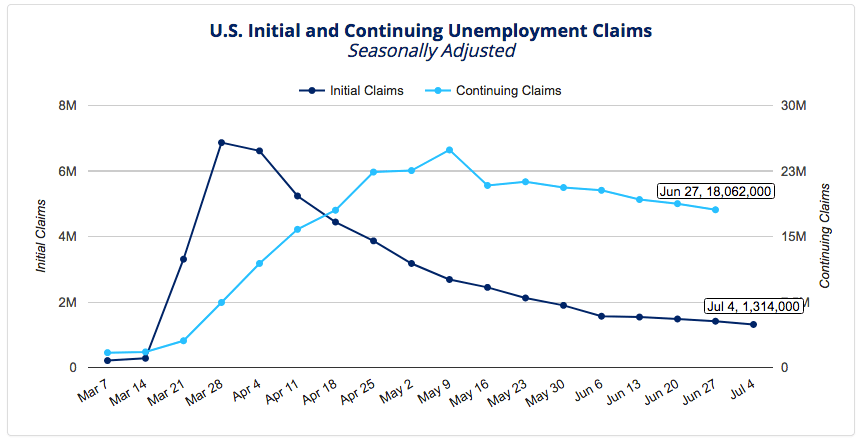
According to the U.S. Initial and Continuing Unemployment Claims line chart (Chart 1) below from NYC Comptroller Scott M. Stringer, it shows that the unemployment claim numbers have not been below 1 million since the start of the pandemic. That is an indicator of how painful that this economic downturn has been. And once it gets closer to dropping below 1 million, we will be closer to adding more jobs than shedding jobs. So we are still in a place that is not good. The longer this drags on, the slower it would take for us to come back and for the economy to come back.

The same thing goes for continuing claims. The chart depicts that these claims have been pretty flat since mid-May. There was a positive jobs report in June nationally, but this is probably going to tick up again as we are seeing with Texas, California, Arizona, Florida starting to boom with Coronavirus recently. As more and more vulnerable individuals become infected, we’ll see their economies re-closing and this will mean that we will see numbers creep back up again (slowly or rapidly).

According to the data from the New York State Department of Labor, initial/new claims are 1.3 million between June 27th to July 4th, 2020 with 14 consecutive weeks of 1 million new claims. For point of comparison on active/continuing claims, there was a total of 18 million as of June 27th, 2020 compared to 1.7 million from June 29th, 2019. That is ten times as many unemployment insurance benefits claims. At this rate, it was really important that the federal government passed that law to extend the duration of unemployment so that it would buy us more time for us to put together the strategy, systems, approaches, treatments to be able to deal with the pandemic so that the economy could come back a little more easily. But as we are all aware, this isn’t exactly happening yet.

So to summarize this all together, there was a total of 47.3 million applications between March 7th to June 25th, 2020 and a total of 30.5 million claims between March 7th to June 6th. There is a difference between those two things. There are many applications and claims that have not been reviewed or approved yet, due to the influx.

As a point of comparison, the Great Recession – dating back to 2008 – 2009, the total unemployment claims over the span of 18 months was 37 million claims. However, in our case right now in 2020, we have achieved that in the span of 2.5 months, which is a living nightmare.


Scott M. Stringer’s Chart 2 above depicts the Regular Unemployment Insurance (UI) vs. Pandemic Unemployment Assistance (PUA). If you look at the last bar on June 20th, almost half of the continuing claims fall in the PUA category. The PUA is a special, new category of eligibility for unemployment that Congress and the federal government passed so that freelancers, self-employed and gig workers could claim unemployment insurance – which has never happened before. This is the first time in history to create this – which is a vital thing to point out about this downturn from previous ones.


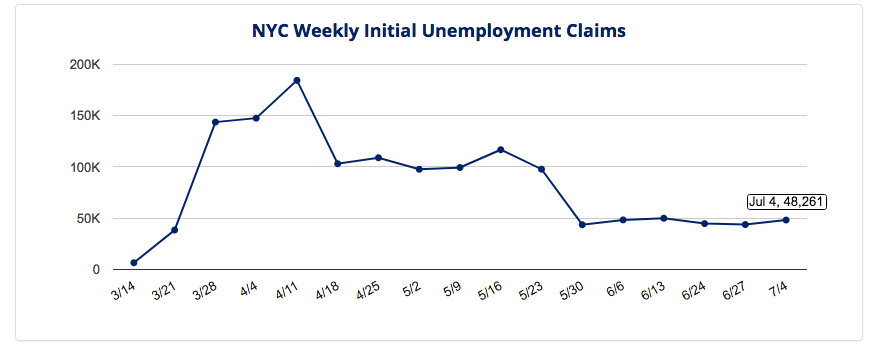
Scott M. Stringer’s Chart 3 above depicts New York City unemployment claims. We have currently – 48,261 initial/first time unemployment claims as of July 4th, 2020. Please note that this is not continuing claims. You can still see that the trend is still flat; it’s not trending down. It is still the number that we had in the end of March – but slightly higher.

If New York City’s economy might have to re-close and if it needs to go back on PAUSE, we might see that number go back up again if it’s a new category of workers who haven’t filed for a claim before. But, as we all know, if one has reached their maximum, permitted amount of weeks of unemployment, you cannot reapply until you get to the next 12 month cycle.


For national rates, the unemployment rate was 14.7% on April 2020 – which is the official unemployment rate, excluding discouraged workers. By June 2020, the unemployment rate was 11.1% – which most of those were rehired temporary layoff workers. We are unsure as to if furloughed workers fall into this category. It really depends on each employer and if they are using a formal and official word to describe what they are doing with their employees, OR in most cases, if they’re calling them furloughed when it turns out to actually be a temporary layoff.

As mentioned above, questions that arise are those who were furloughed, do they count as employed or unemployed? I believe that being furloughed counts as being employed. However, you can collect unemployment if you are furloughed but I am not sure if you are counted as part of the unemployment rate. If their employer indicates that their job will be available when they return to them, they would be employed. However, those furloughs tend to be less common than what’s called a temporary layoff and they may have a high prospect of returning back to work.

The Great Recession peak was 10-11%. So the longer that the current national rate (14.7%) is above the Great Recession peak, which is what it seems like in this case, will take us longer to recover.

According to the U.S. Bureau Labor of Statistics, 3.9 million individuals were employed in NYC as of February 2020. By May 2020, 2.9 million individuals were employed – which shows that that there was a 25% loss in jobs. On the other hand, 138,000 individuals in NYC were unemployed on February 2020. By May 2020, 662,000 individuals were unemployed.

What’s interesting about this, is that the current official unemployment rate in New York City is the greatest among Asian workers – which is 25%, followed by Black workers – which is 24%, then Hispanic/Latino workers – which is 23%, while White workers fall into 11%. This is an indicator of the disparate and inequitable economy that we live in and have been living in for decades.

The U.S. Bureau of Labor Statistics released an insightful report on the Current Employment Statistics Highlights on changes in jobs, job losses and job gains in both private and public sectors from dating from January 2010 through June 2020.

The Occupational Outlook Handbook also has a useful graph on the Fastest Growing Occupations.


For more up to date New York State labor market information resources, see below.

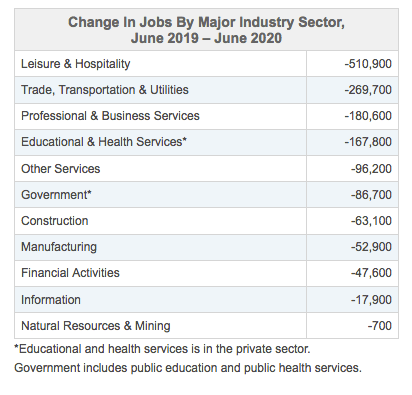
According to NYS Department of Labor, “Since June 2019, the number of nonfarm jobs (private plus public sectors) in New York State decreased by 1,494,100, or 15.1 percent, and the number of private sector jobs decreased by 1,407,400, or 16.8 percent. Additional industry detail is presented in the table below.”

Data Highlights from the New York State Department of Labor’s Jobs and Labor Force Press Release: June 2020

NYS Economy Added 296,400 Private Sector Jobs in June 2020

Tips on How to Build Your LinkedIn Profile

Is this your first time hearing about LinkedIn? Did your high school academic counselor encourage you to create a LinkedIn account for your professional networking and job search because it will be useful for you in the long-term? Or are you just never active on social media? Many did not feel the “need” to use the platform as often until they started to discover their career interests during their undergraduate years in college. Well, if you are unsure about where to begin with your LinkedIn page, I can walk you through some tips on how to step up your profile game!

When setting up your LinkedIn profile, make sure you have a professional head shot with the appropriate attire (dress for the job you want) in place, clear of background distractions. It should be a plain, solid, simple background or even a bokeh background would be fine. Your face should be the main focus. Adding a professional profile photo makes your profile more likely to be found and viewed on LinkedIn, as well as being accepted/receive connection requests from other LinkedIn members.

LinkedIn is a more thorough and extensive version of your resume. In other words, your LinkedIn profile is basically your curriculum vitae (CV). A resume is typically 1-2 pages showcasing a candidate’s competencies: their skill sets (technical skills, and in some cases – soft skills if you are applying for a CNA role), education, notable achievements and work experience; this is basically a first impression kind of thing.

On the other hand, a curriculum vitae is lengthier than a resume. Why do I say LinkedIn is much like a CV? Because the LinkedIn layout allows you to specify yourself and explains your story in your words. You are your own author of your LinkedIn story. Like a CV, LinkedIn is a place where you can include publications, fellowships, licenses, grants, etc. that is relevant to the job or industry that you are looking to go towards.

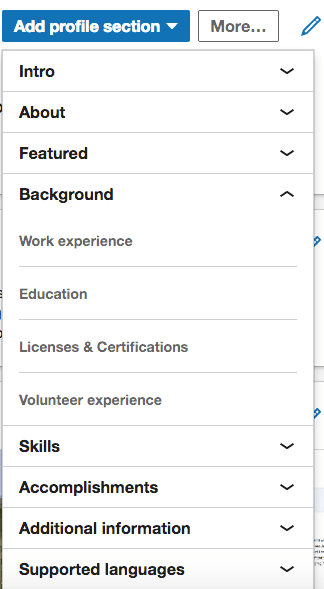
When you are on the right side of your page, you want to point your cursor to “Add Profile Section” and all of the sections/categories appear where you can begin editing your profile and include your information.

Remember, if you are job searching at a specific location, you want to set your location on LinkedIn – so that way, your profile will appear in more relevant searches.

LinkedIn allows you to display your Headline (your profile is the front page of your story and your headline is the first thing that appears to the audience! Make sure whatever you include in your headline should display great value and passion in one quick line) along with your Current Position, summarize your About (don’t summarize, sell yourself!), including a lengthy description on each of your Work Experience, your Education and Volunteering sections. You want to illustrate your work experience, internships and volunteer work in sentences rather than bullet points because this is not your resume. This is the part where it similarly matches up with the CV template format. In addition, LinkedIn provides you a section to include any Licenses and Certifications that you have earned, in addition to listing out your Skills. For the skills section, the cool part is that your connections may endorse you for the skills that they think you are highly skilled at. LinkedIn also gives you the option to choose your top 3 skills to feature on your page as well as rearranging your skills within a category. This is a great way to display yourself if a recruiter/hiring manager browses that section, so they will know what your top skills and strengths are for the job or sector/industry you are applying for.

After the skills section, you can even have your connections write you Recommendations to showcase potential employers who are viewing your profile to get a grasp of who you are as an individual – beyond just your resume. And of course, LinkedIn allows you to list your Accomplishments such as Languages that you are proficient in (a huge asset to the working world today since many employers are looking for bilingual or even multilingual candidates for certain roles), Honors and Awards that you have received throughout your academic career as well as in your professional career and organizations/clubs that you were a part of.

With that being said, your LinkedIn profile allows you to brand and market yourself. It speaks volumes to all potential employers while your resume only speaks to a single employer. Your LinkedIn profile also allows you to go more into detail with all of the mentioned above. More importantly, this platform allows other professionals not only within your region, but globally. This is a good chance for them to interact with/contact you and also learning about you while you are also learning about them and the company that they are working for. The intriguing part is towards the bottom of your profile, where you can spice it up with endorsements and recommendations from your connections.

When writing your summary on the About section, please keep in mind that this is the part where you interact on your professional brand and storytelling your background (experience and academia) to your advantage. Generally, I would advise that you should introduce yourself in 1-2 sentences; followed by a 2-3 sentences about your passions, work experience and your top skills; and lastly describe/explain in a couple of sentences about your long-term goals and how you want other LinkedIn members to become involved with you.

Feel free to refer to this LinkedIn Talent Blog article on some good examples of how you should write your summary!

Another way to communicate your professional brand is if you have published articles or posts, or if you were featured in an article/newsletter, or you wanted to showcase an event that you appeared in as a guest speaker or panelist and you feel proud of the work that you have done, all of this can be included in the Feature section of your page as a form of recognition.

Of course, your summary, experience, education and skills are not enough to tell your story. Include rich media into your employment history to highlight the visuals, by including pictures, presentations, videos or portfolios. Add as much detail as you can, especially to recent roles. Request a recommendation from your existing connections! Or if you have not connected with anyone yet, please start to build your network by discovering existing connections and locating new connections that can be there to help you succeed. Connect with your family members, friends, former/current colleagues, teachers, professors, mentors, classmates, clients, etc. You’ll never know if those connections may be a step closer to what you are seeking for. They may know of someone who they can connect you with to help you achieve your goals. When requesting for recommendations, you want to make sure they are those that can aid you in to shape your credibility and validate your competencies.

Once you have your network in place, don’t stop there. The larger your network, the better. Keep expanding your network and do so in a strategic way. What I mean by this is you want to search for connections who share common interests/things with you; those who work at a company that you are interested in working for; those who are in a role that you want to land yourself into; and those who are able to introduce you to someone to help set you up for success.

A tip to discover/search for existing or new connections that you may know is that overtime, LinkedIn’s feature and algorithms will improve and prioritize which individuals you should connect with on “People you may know in (Region You Reside In)” list.

When you “Connect” with professionals, they give you the option to “Add a note”. It is highly recommended that you include a personalized note to let them know why you are connecting with them. You want to let them know who you are, how you discovered them and how they can assist you.

LinkedIn is not just only for networking. You can use LinkedIn to build a resume, apply for jobs, take free online courses to enhance your digital literacy skills and other technical skills as well as catch up on current events via “LinkedIn News” on the top right hand section of your homepage.

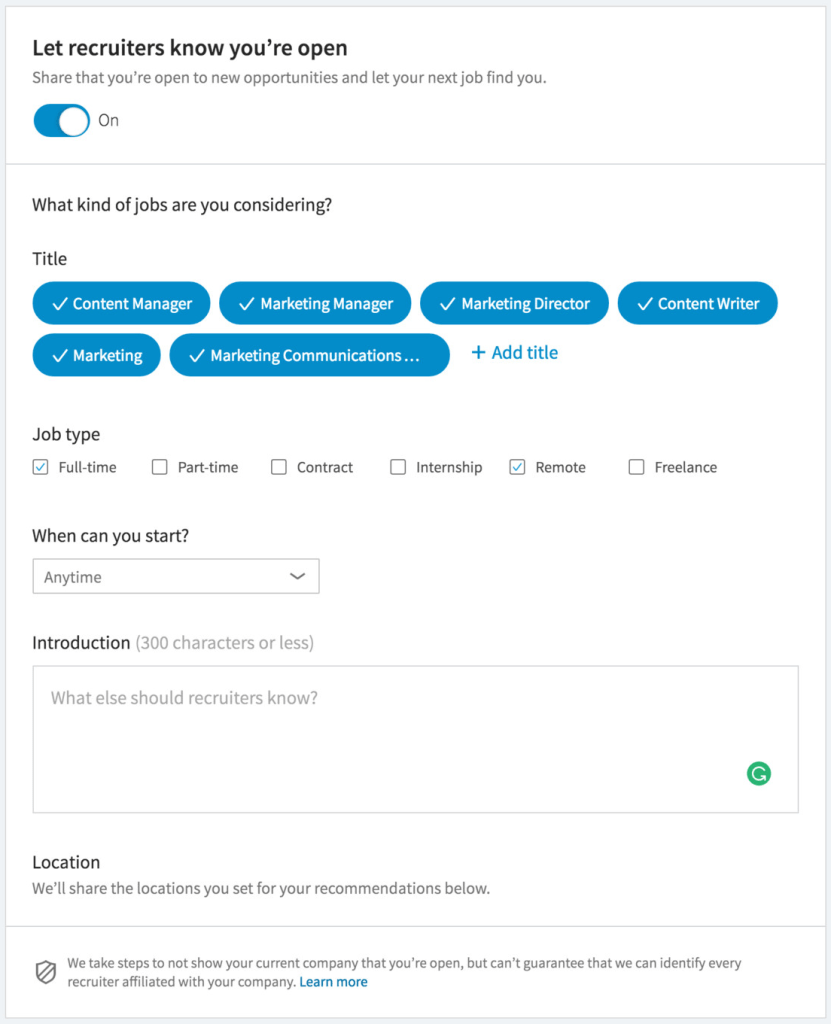
Last but not least, on your job seeking preferences setup, you can change it to make it visible to recruiters and let them know what kind of job opportunities you are looking for. In addition, they also give you the option to filter it by industry or by the position.

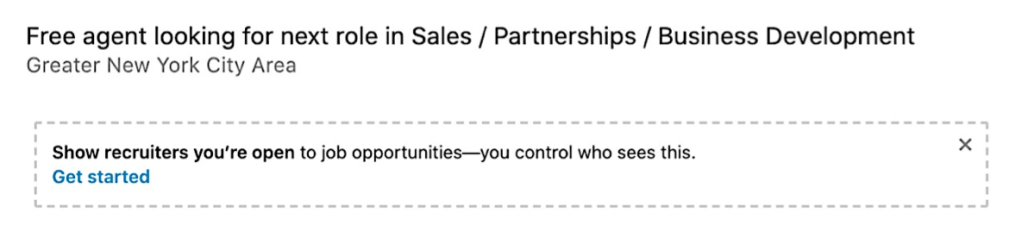
First, update your profile headline and map out a plan for your job search
On the introduction textbox, you want to let recruiters know what you are looking for in your next job and provide some context

Job searching especially during uncertain times like this – coupled with a tough, volatile job market due to the global health crisis and economic recession remains unhopeful to many. However, it is important that job seekers continue to stay motivated during their job hunt and nevertheless be prepared for virtual interviews! Best of luck in your job hunt and utilizing LinkedIn to your advantage. This is one of the many ways in laying the foundation for your future success.

A Licensed Real Estate Agent Who Tied Her Career and Passion Into Her Business Venture

Leah Azizian always thought that she would be an attorney from a very young age. Growing up, this was the only career choice she had in mind. She was extremely sharp when it came to answering back her parents or siblings, and debating on different topics.

Of course, she joined the debate team in high school and knew headstrong that she would be an attorney when anyone inquired. But suddenly something shifted, and Leah became more open to exploring other ideas. In high school, she decided to intern as an audit analyst at DHS (The Department of Homeless Services) and ultimately as an Administrative intern at a real estate brokerage firm in Queens.

Ever since Leah’s internship in Queens, her interest was piqued. She remembered sitting in the office, watching agents go in and out, exchanging stories about the properties and clients they have just met, and some of the difficulties that they were facing. The barriers to entry seemed relatively easy: 72 hours at a real estate school of your choice, with a school and state exam to follow. She remembers thinking to herself that regardless of whether she would stick with it as a career, it was worth giving a shot.

After meddling with the thought for several months, Leah obtained her license and decided to partner with a firm that had great charisma, and one where she knew that she can make just as much of an impact as she grows within the field. What Leah enjoys about real estate is how intimate and meaningful her relationships with her clients are, and how important one’s representation on their behalf is. Not too far from being an attorney, but different. There is a lighter side to being in real estate. Each day, Leah and her colleagues gets to listen to the stories of their clients: what their clients’ dreams are, why they chose to purchase properties in NYC, and some of the challenges they’re facing.

This is precisely why the real estate field has become so meaningful to Leah, and why this led her to partnering with her colleague in creating a platform called Ambitious New Yorkers, that showcases the voices and stories of others, and most of all the idea that to be a New Yorker is unquestionably a frame of mind.

Leah is a graduate of Queens College and Macaulay Honors College. She holds two degrees: a Bachelor of Business Administration in Finance, and a Bachelor of Arts in Economics.

Leah puts on many different hats in two of her roles at LG Fairmont.

Leah is currently the Head of Business Development & Project Feasibility at the Developments & Consulting Division, where she is responsible for the growth and engagement of developer relations, as well as the identification of new project opportunities. In supporting the developer community, Leah conducts a comprehensive analysis of project viability and the direction for the development that will maximize success, exposure and profitability.

As a Licensed Real Estate Agent and Advisor, Leah and her team focus on working with buyers, sellers, investors and developers, primarily in Manhattan and Brooklyn. They pride themselves on their creativity and abilities to think outside the box. New York City is a diverse city, one that is continuously evolving, and requires forward thinking. Contact her today to discuss your real estate endeavors! Connect with Leah on LinkedIn.

You may find more information about Leah’s work on her recent transactions, her press kit and her client testimonials here on the LG Fairmont biography page.


Here, Leah illustrates her in depth perspective of her career aspirations in the real estate field.

• How were you able to find a deep motivation in being able to genuinely connect with your clients while you were juggling your life as a full-time college student?

I started my career in the real estate field while being in college, and at first it was a bit difficult to manage a full schedule of classes while working, but I was highly focused and created a very organized system that helped me stay productive. I’ve always been fully committed to whatever I do, and I know that once I join the industry I would find a way to juggle both. It was never difficult for me to stay motivated, rather I knew that it was important to dedicate enough time to both and I leveraged a really hard-working and efficient team to help me manage both, work with more clients and close more deals.


• You recently co-founded Ambitious New Yorkers, congratulations! Can you tell me more about this and how it relates to the work you do?

Ambitious New Yorkers is a platform my partner, Zoé Kellerhals-Madussi (President of Sales & Marketing at LG Fairmont), and I created to share the stories we hear from our clients and friends. We started it in the midst of quarantine, to encourage others to share their voice and connect with fellow New Yorkers. New York City is incredibly diverse, with plenty of dreams, and what connects us all is our unrivaled mindset.


• Time allocation is so crucial for real estate agents. How do you plan/prospect your pipeline of leads?

Yes, time allocation is crucial. I’ll spend every night going through my pipeline and organizing which clients need to be reached out to the next day, on a level of immediate to “not so immediate” based on how far we are in the process and how active they are as a client or their timeline. In building my pipeline, I’ll frequently touch base with past clients and my friends to see who can use a hand with their real estate goals. I’ll also set time during the week with my team to actively prospect by cold calling, sending letters to neighborhoods I’ve closed in before, and putting together creative campaigns to target specific buildings or zip codes.


• What are the pros and cons of going into a real estate career?

I think the pros and cons tend to be of the “same coin”, yet it depends on your perspective. As a real estate agent, you are the CEO of your business. All agents are in complete of control of how they’re going to run their business. I believe that to those who are free-spirited, hungry, strong-minded, and sociable, real estate can and should definitely be one to consider. Of course, your passion for real estate and selling, definitely comes into play. But those are the general characteristics of highly successful agents. If you’re someone who is looking for a 9-5 career, or someone who feels comfortable in an employer-employee relationship, with others dictating your day-to-day work and assignments, then I wouldn’t suggest entering the field as an agent or broker.


• Are there any general tips you’d like to advise for those who are just starting out as a real estate agent?

For those who are starting out, I always advise to take a moment to understand that being a successful real estate agent is a long-term play. Monstrous success doesn’t come with just a few years in the industry. It takes time, and a lot of patience. It also requires methodology and crafting a system to keep you highly efficient and organized. I also always advise to meet many people as possible, and create meaningful relationships. Real estate is a people’s business, and the more people you personally know, the better.


• What is your favorite part of being a real estate agent?

My favorite part of being a real estate agent is meeting all the wonderful people that I do. I love new meeting people, learning more about them, hearing their stories, and helping them achieve their goals.


• What is the most challenging part of being a real estate agent?

One of the most challenging parts of being a real estate agent is setting and meeting your clients’ expectations. With whoever I am working with, I always make it a point to have a consistent, clear line of communication and set realistic expectations as to what can be achieved and how.


• Are there any goals you currently want/need to accomplish as a real estate agent? 

My most immediate goal is to actively work with developers in NYC. This is a new endeavor that our team is taking on, and have been building strong traction with so far. Working with developers requires a unique mindset and creating a marketing strategy that tells a story and depicts the lifestyle of the residents for the building. It’s fascinating to work on new projects that make the landscape of New York. Our philosophy is always to smoothly integrate the building into its neighborhood, while creating an everlasting market imprint.


How does the housing market look right now? How has it changed since COVID-19 hit? What was it like before?

For the past couple years the housing market has been advantageous to buyers, and COVID-19 has helped accentuate this. In the past few months, real estate activity has slowed down globally, due to the lack of showings, but has picked back up in NYC since Phase 2 began in the end of June. I think it’s important for buyers to recognize that now is a time of opportunity and that the real estate market moves in waves. In a “down” market like this, it opens the doors to first time buyers and those building their investment portfolio; depending on your level of courage, the market is your oyster.


If you are in the NY area and interested in going into real estate, make sure to check out Leah’s 3 Entry-Level Tips and a Guide to Joining the Real Estate Industry.

What Does a Contact Tracer Do?

Contact tracers focus on gathering cases and relevant data with their city and health departments through identifying and organizing interviews with individuals who are infected with COVID-19. In addition, tracers are responsible with follow up by giving these individuals proper guidance to follow while flattening the curve and stopping the spread in the region.

Image via Shutterstock

According to an insider that I help landed a job in; who currently is a contact tracer for the greater NYC area, stated that she makes daily outbound calls for cases on people who have been lab confirmed, tested positive for COVID-19 and when she makes those calls, sometimes she leaves voicemails because not all individuals would pick up. But for those who do pick up the call, she goes through a case investigation intake with the case for those who are tested, lab confirmed positive. In this assessment, she would walk them through different medical conditions that they have or different symptoms they’ve experienced in the past month and basically just informing them to isolate for a 14-day period.  They are informed about different services that they offer to help them isolate safely and effectively for that 14-day period – on how to continue practicing safety health measures such as social distancing, washing hands and staying home when there aren’t essential things needed to be taken care of.

These services include access to food, help with navigating/paying electricity bills, how to get their medications, as well as a variety of mental health resources like NYC Well, or domestic violence hotlines so that people have access to professionals so that they can feel supported and not feel like they are alone during this time. Another service that is included, is that the tracers notify people that they’re not medical professionals and because they cannot offer personal medical advice – they encourage them to speak with their primary care physicians or to connect to the COVID-19 physician hotline, where they can call and speak with a medical professional regarding any concerns related to COVID-19.

“When I make these calls to these people – those who pick up, it’s like forming a connection with them,” the insider says. “One of the vital pieces of this project is that some of us have a hard time of getting people to provide information about their exposed contacts, to people who were exposed and tested positive with COVID-19 prior to them. Trying to track down those – of course all of those information are all confidential and kept safe and secure.”

Image via Shutterstock

Some individuals that she has communicated with are forthcoming with that information, while a few are hesitant and do not want to share information about their exposed contacts.

“The other vital piece is that they make sure that folks have access to information and services on how to isolate effectively and safely, and also hopefully that they’re getting COVID education and being they’re aware so that they’ll be less stigmatized; that they’re not blaming themselves or other people and just empowering people on how to isolate safely, and what to do with a COVID-19 positive test result and how to go forward.”

She feels like this project, in a lot of ways helps the community and it allows people to gain access to information and to participate… to have someone do a case investigation intake with them – which is through the use of language line for folks with limited language proficiency – for those who do not have access to information or even to see what they need, and to be a support for them during this time and even to be a listening ear as well.  “I have done Spanish and Mandarin language line calls during my time there. This project goal is to cover the basis and trying to reach as many people as possible.”

She remembers a case she had with a woman, who at the time during her call with her – she was already staying at an isolation hotel, which is one of the services that they also offer to these individuals as well. “If someone doesn’t have a safe place to stay at or staying at separate bedrooms or bathrooms in their own home, NYC offers free isolation hotels where there are snacks, 3 meals a day and medication to be arranged and they will be taken care of during your time there. This is all free of charge,” the insider asserts.

Although many sources indicate that contact tracers have a hard time with reaching out to those who are unable to be reached, there are also memorable moments with those who they’ve gotten a chance to speak with.

“My favorite part of this job is talking to people and making meaningful connections with other New Yorkers especially at a time where they might feel extra isolated and be a listening ear, and just reassuring people that they are not alone and to be that person on the other end caring for them whether it’s a short or long length of time during the call.”

‘There are quite a few of people in these calls that I will never forget because they were kind, cooperative and were willing/open to sharing their information of their exposed contacts. This is the tracing part and this is also the most difficult part of the project, since many folks do not feel comfortable giving out information of their exposed contacts. I think that this is the nature of the beast. Human nature is more protective of those we love, those we are around. We protect their information and they protect our information.”

To sum it up, this is all pretty much ACCESS… Contact tracers making the calls to those tested positive – by connecting them to information and people, for them to have access to things – especially the people who need a place to go, contact with; to ensure that folks get their food and the proper medication that they need. It’s very useful whether or not people utilize the services but it’s for everybody basically to be informed and educated with these information, which hopefully knowledge is power. People empower to make healthy decisions as contact tracers continue do their job of slowing the spread in NYC as well as other parts of the U.S.

As mentioned earlier, a large part of this job is by establishing a meaningful connection with people that they’re on the phone with – when establishing that meaningful connection, it allows contact tracers to be able to lead to building greater trust, which ultimately leads to providing a greater exchange where the individual being reached through the call is more forthcoming and willing to provide more vital information. The whole call is centered and wraps around COVID-19 education and providing information for services to be able to isolate safely and effectively, as well as services regarding mental health and domestic violence, food and physicians for them to ask them health related questions or COVID-19 related questions and how they can cope with easing their fears and anxiety a little bit – is just one of the main pieces of it, which is to get people to provide information on their exposed contacts so that they can do the tracing part.

The insider expresses, “This is the job where you need to have patience, empathy, and just being able to make a connection with whoever you get on the phone and letting them know that this call is not so much an interrogation but more of love and support, to see how they are and what they (contact tracers) can do to help these individuals keep well and stay safe.”

Is This The End of the World for the Fashion Industry? Or Is It A New Era? Will It Survive?

While fashion retail stores are usually one season ahead of the game – in addition to collaborating closely with designers and manufacturers, they were supposed to be selling summer clothing (during the spring season) while placing orders for the Fall (during the summer season). But due to the current health and economic crisis, orders and new looks are being cancelled/returned since everyone is on a stay at home order. So what does this mean for the manufacturers and designers? Due to the uncertainties of the future outlook, does this mean that there will be fewer pieces being created for outdoor gear/street wear and more pieces on loungewear? How will fashion designers be able to manifest their creativity in the years to come? This is definitely not an easy pill to swallow.

Amid the Coronavirus chaos, this impact on the fashion industry spells disaster as many retail companies, design houses and garment factories struggle to stay afloat – due to the massive elimination of positions and filing for bankruptcy chapters. Neiman Marcus, J. Crew and JCPenney were a few of the many brands who filed for Chapter 11 bankruptcy on May 2020. Aside from the hospitality industry proven to be one of the hardest hit, we can see that the fashion industry is also up in the air. According to the Washington Post, the article reported that “Macy’s announced it will furlough most of its 125,000 workers as sales evaporated with the shuttering of 775 stores. Kohl’s and Gap also announced furloughs of about 80,000 each.” In addition, CNBC reported that Best Buy has also furloughed about 51,000 hourly employees, affecting mainly their part-time employees while full-time employees will remain on their payroll.

Retail stores and their day-to-day operations are dying, while e-commerce is flourishing and thriving. Runway shows, trade shows and presentations have been canceled/suspended/rescheduled. The way that the fashion industry has been surviving lately – factories are mainly focused on producing face masks and generating hand sanitizers to assist the communities.

We have already reached the end of June and we are still in the midst of this global crisis, coupled with nationwide racial tensions so thick that you can feel it in the air. Due to the recent events and protests of the Black Lives Matter movement, it has severely affected the fashion retail industry across the nation as many stores were vandalized and remain closed due to looting. NYC stores in Soho and Herald-Square 34th Street as well as Queens Center Mall, has been boarded up with names listed of those who’s lives were lost and other phrases that relate to anti-racism of the Black and Brown community such as, “Say Their Name”, “Celebrate Your Freedom – Juneteenth”, “Let’s Legalize Humanity” and “One Love”.

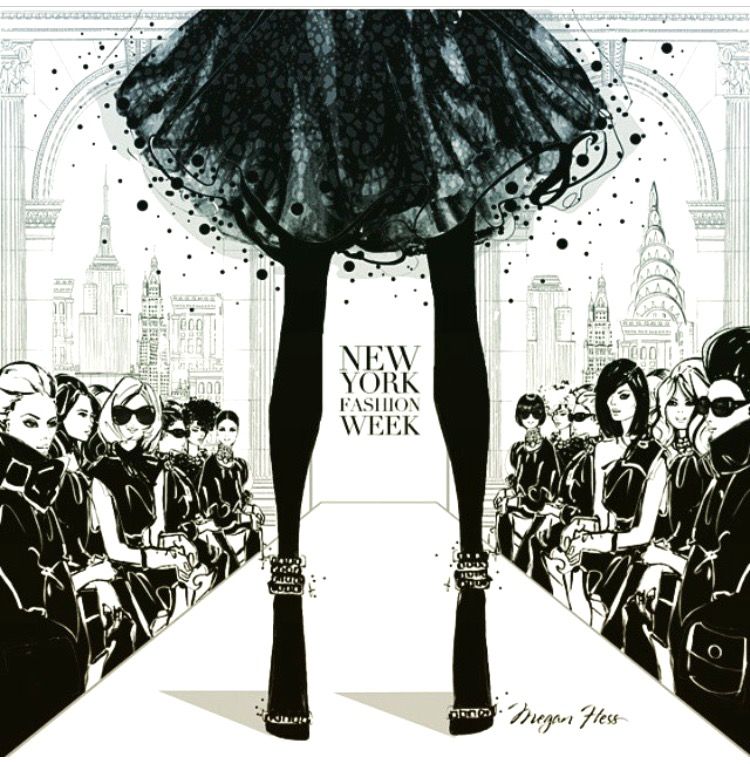
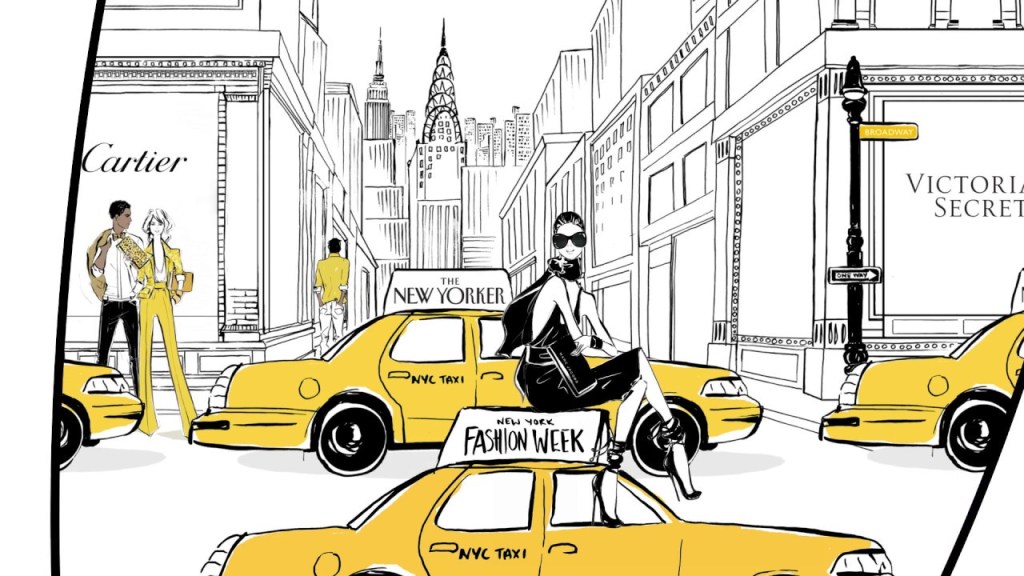
Luxury fashion brands are also stepping back from this year’s New York Fashion Week shows (including those in London, Milan, Paris, Seoul, etc.) and some designers like Michael Kors are not planning to host any shows or presentations in 2021 either. The NYFW runway shows are always held biannually, one around February and one in September. I have attended many in the past and it was always a wonderful experience to see new creative designs/pieces for next fashion season as I have always enjoyed keeping up with current fashion trends. This postponement has been hard for me to process since I have always looked forward to attending their next biannual runway shows – and it has become a habit for me. No matter how busy my schedule would get, I somehow always managed to find a way to attend at least 1-2 shows during the given week.

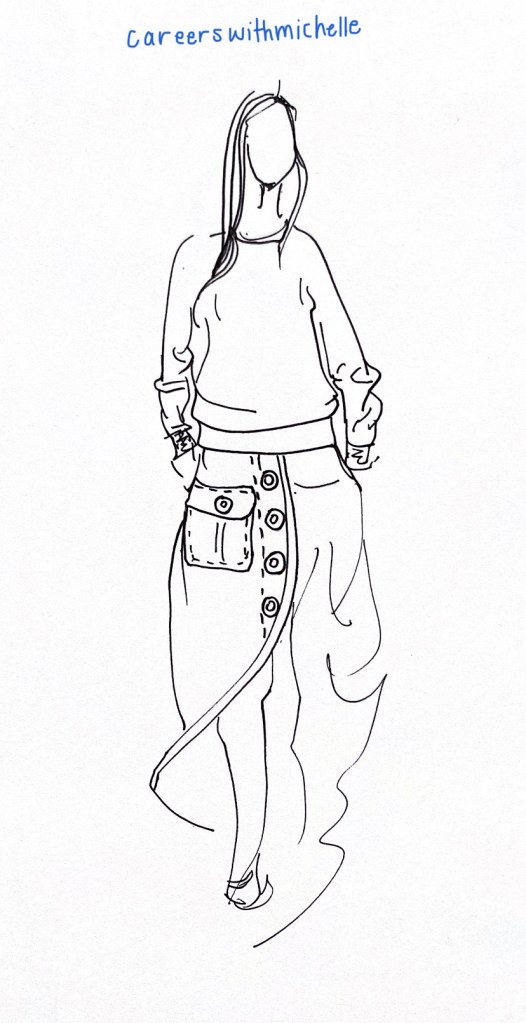
I guess I will have to go back to Megan Hess’s NYFW illustrations and pretend that there will be NYFW this Fall season. She was the one who has inspired me to go into fashion illustrations during my free time when I was an undergraduate student. Below are some of my favorite NYFW drawings from her. Feel free to shop for her illustrations here!


Illustrated by Megan Hess

The Met Gala, also known as the Super Bowl of Fashion which is also another big event that is held annually on the first Monday of May at one of NYC’s famous tourist attractions on the Upper East Side, the Metropolitan Museum of Art – has been postponed as well, disrupting the fashion calendar of many. Instead, it went virtual that evening on Vogue’s YouTube channel, walking down memory lane on last year’s Met Gala. For those of you who are not a fashion geek, this event is a way to raise funds for the Metropolitan Museum of Art’s Costume Institute. This year has been a whole new ball game for the fashion community.

The Council of Fashion Designers of America (CFDA) has partnered up with Vogue in March, to pioneer a “Common Thread” funding initiative. This allows designers to use their platforms and speak up on how this epidemic has affected their businesses, while they are also seeking for ways to implement effective strategies for fundraising.

The goal is to raise both awareness and needed funds for those in the American fashion community who have been impacted by COVID-19.

A Common Thread – CFDA/Vogue Fashion Fund for COVID-19 Relief

So, are we entering a new era of fashion? While remote work has taken over the world, it is not surprising to see that London Fashion Week has been promptly preparing for the September 2020 show virtually. While layoffs, furloughs and economic hardship will continue to trail behind, the CDFA also took swift actions in partnering with National Retail Federation and the American Apparel & Footwear Association, to seek for financial assistance such as grants to keep employees on company payroll and temporary rent and tariff reliefs.

Fashion is definitely going to survive. However, certain positions will become obsolete especially for frontline retail leadership/managerial positions. Several friends and clients of mine who were all employed in long-term managerial positions have been recently let go from Coach, Forever21, H&M, Century 21 and other clothing brands due to this epidemic. Sales associates and cashiers, let’s be honest. With e-commerce on the rise, these positions are not going to be needed as we move towards online transactions. And going back to my last question in the first paragraph, I can see that designers are also facing a big obstacle right now. While many positions can be carried on remotely, it is almost impossible for designers. Proper fittings and patternmakers are the big blockers of a Zoom conference call. That is just not going to work.

How will fashion change in our post-pandemic world? Right now, I think that the most important thing rather than worrying about the impacts of cash flow going in and out of the business, is that industry leaders should be focused on coming up with ways to create sustainable solutions in repowering the supply chain. That is the way that the fashion industry can rescue itself.

A Career Snapshot of James G. Norman – Exploring The Corporate Finance World

James G. Norman has always been passionate about financial literacy and is very well acquainted with the business world since his teenage years.

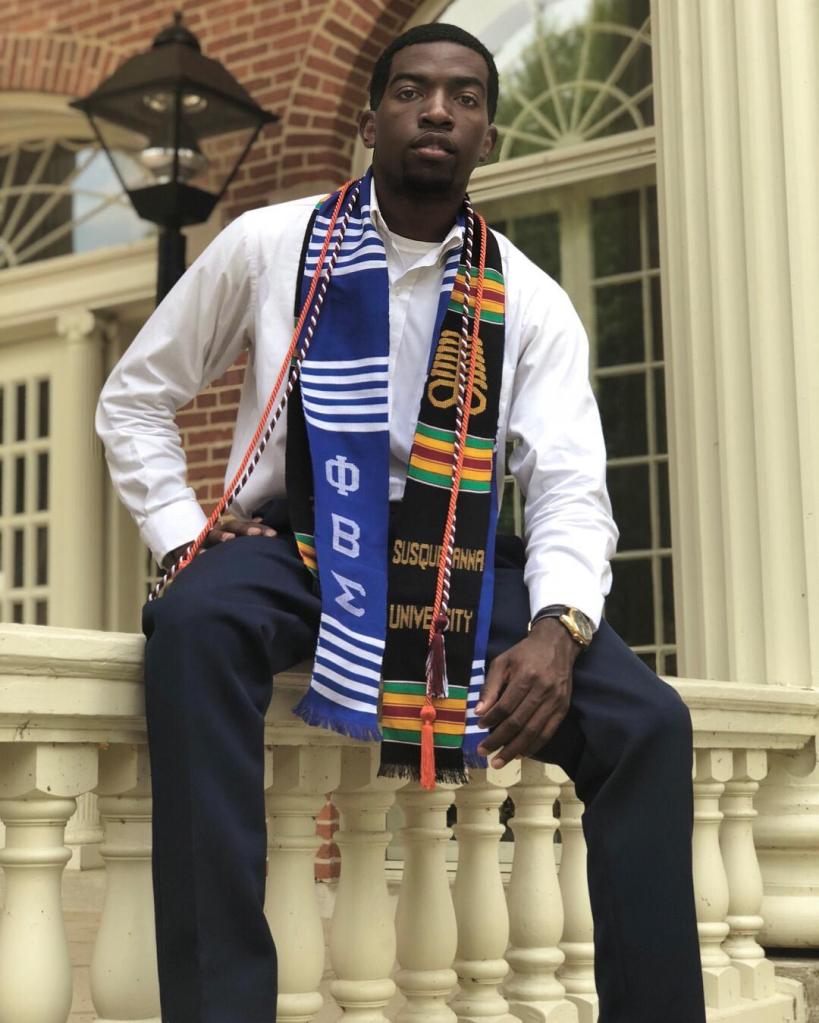
Throughout his early years at The High School of Economics and Finance, he has held prestigious internships at Ernst & Young, one of the Big Four accounting firms as well as Moody’s Corporation, which is a credit rating, research and risk analysis firm located at the World Trade Center – in the heart of the Financial District. He recently graduated from Susquehanna University on May of 2018, holding a Bachelor of Science in Business Administration and Management. Right out of graduation, he was offered a full-time role as a Financial Institutions Group Analyst from Moody’s, which comprised of insurance and asset management.

James started his new role as a Risk Management & Analytics Associate on January 2020 and was recently promoted to a Risk Mitigation Manager at TheGuarantors, a Fintech company that offers innovative insurance risk/products and financial solutions for the real estate ecosystem in residential and commercial properties.
I can confidently say that anyone who has closely worked with James, is extremely grateful during a pivotal time in their career and any team would be privileged to have him as a leader. James has successfully scaled business and tackled challenging numbers during his time at TheGuarantors. While he is transitioning his responsibilities into his new role, I can assure that he is bound to build a great culture for his team from the ground up to succeed. James is the definition of a T-shaped business leader, leveraging his breadth of experience and inherent curiosity to tackle new challenges and surface actionable solutions that have long-lasting impact on the company.

He is in transition from finance to public service as he has always enjoyed working with the community and giving back. At just the age of 24, James has accomplished so many incredible things – let alone, achieving extraordinary success so early in his life.

When I think of James, this saying comes to my mind:

The idea of the young prodigy is by no means a modern phenomenon.

When it comes to James’ presence and reputation, I only have positive things to say about him, his leadership, his motivational speeches, his incredible relationship building, his keen intelligence and his business acumen in the professional world. He is a visionary, an inspiration, a role model and an original to many.

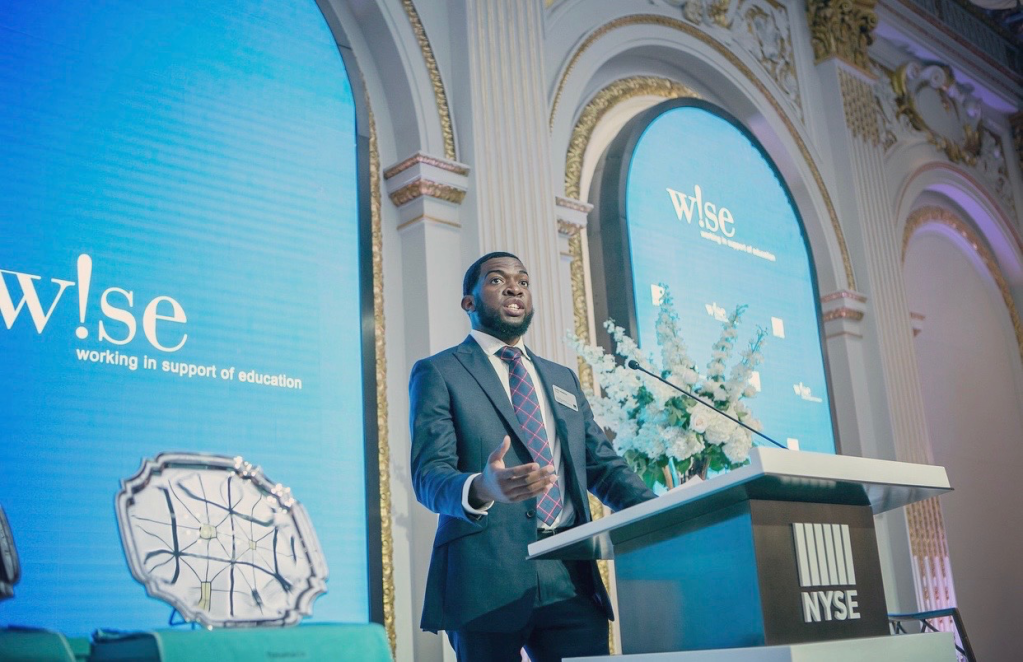
James as a keynote/alumni speaker at Working In Support of Education’s (W!se) 20th Anniversary Celebration held at the New York Stock Exchange (NYSE)

James is a very goal oriented and gifted kind of individual who’s qualities outshine in a way that truly motivates his peers, classmates and colleagues to hit their own individual goals. From the way he presents himself in front of a group of Millennials and Generation Z’s, I can see the emotion that’s written on him as he speaks. He shows humor, empathy and compassion in the work that he does. James is a quick problem solver and would swiftly turn around any obstacle into a great learning experience, despite any challenges and blockers.

James and alumni giving back at the High School of Economics and Finance Seminar

Being the dedicated and well versed professional that James is, he truly believes that if you want to achieve something, that you will do it. He is eager and driven in giving back to his community and setting young students up for success by teaching them financial literacy, identifying their personal/professional goals, developing leadership skills and planning career moves and transitions. The one who always goes the extra mile and is airtight in his delivery. Many great things will come of the financial sector and the NYC community due to his excellent work ethic coupled with his go-getter attitude/mindset.


Finance is very dynamic field due to the expansion of the global economy, the proliferation of new financial instruments, and the fluctuations in laws and regulations.

Is finance a dream career that you are looking to pursue OR a career that you are looking to transition into? Are you mathematically gifted and love working with numbers? Do you possess strong analytical and quantitative skills? Then this may be the trajectory that you want to take.

Not only do companies seek for the hard skills, however soft skills are just as major. According to GoGig, many companies hire finance employees based on personality as well – such as those who hold common traits of resilience, curiosity, persistence, loyalty, integrity and professionalism, team spirit, empathy, and sense of humor.

Below, James outlines a more detailed career snapshot of his journey.


• Many folks are uncertain about their career path until they enter college and even after they graduate. How did you know that this trajectory was “the one” for you? In other words, what propelled you to go into the finance sector?

From a young age my godfather, Leslie Roberts, introduced me to the world of finance. I remember in the summertime I would visit him in New Jersey and some days we would just go to the library to learn the ins and outs of the stock market. That is what birthed my interest. No pun intended. That combined with knowing I loved business and helping individuals solidified my interest down the line. People hold their finances near and dear to them. So, if I can help improve that aspect of their life in any capacity, I am happy.


• You have an excellent proven track record as a business leader throughout high school, college and the clubs/organizations that you were a member of. Could you tell us more about how these experiences molded you personally and professionally?

I have always enjoyed using my skills to help people or improve processes. I actively take opportunities that will allow me to do this. Throughout my academic career I was afforded many. One of my favorites was being CEO of my Virtual Enterprise class during my senior year of high school. This was a class but took on the format of an actual business. We specialized in selling 401K plans to other “businesses” across other high schools. This experience allowed me to learn a great deal about myself as an emerging leader and professional. I learned how to work with many different personalities and unify them to accomplish one common goal. I also learned that when you are tasked with leading, you must take the good with the not so good. As a company we did well but we did have our bumps, however it brought out the best in us. This experience set me up for what was to come in college and my professional career. I also took on many other positions such as SGA Treasurer and my fraternity, Phi Beta Sigma’s, Treasurer in college. I was able the use my skills in financial management to create budgets and funding that would prove beneficial to all stakeholders of these respective organizations.


• You have held various roles throughout your career in the field of finance. Which one would you say is your favorite and why?

My favorite position in the field of finance to this date would have to be my internship of Summer ’16 at Moody’s in their Treasury department. I had an active hand in the cash management section of the team. Being trusted with some of those checks made me feel official because those amounts were crazy. My boss, Zeeshan, was a savant when it came to treasury. I learned so much from our 1 on 1s. Lastly, I was able to work closely with the Treasurer and CFO of the company. They knew me on a first name basis, and I sat in on many meetings with them leading. It was an overall cool experience that I will never forget.


• I know that you recently started a new role at TheGuarantors. What does your current role involve? What do you enjoy about it? Are there any challenges?

My role at The Guarantors is a Risk Mitigation Manager. I am responsible for making sure our loss ratio is as low as possible. Being that we are a real estate tech start-up that specializes in providing insurance products, we need to make sure that we limit the amount of loss we take on. I do this by making sure tenants are honoring their lease obligations as well as being in constant contact with landlords and property managers for when cases do arise. This is my main responsibility, however given the nature of start-ups, I wear many different hats around to the company. I enjoy being given free range and the trust to control my own projects and responsibilities. Knowing that my work is directly impacting the success of the company is something that makes me put my best foot forward. There a few challenges, however. The main one being that in a company structure like mine, it is learn as you go. There are sometimes where mistakes are made but it gives you the chance to remedy and learn from the situation. This just comes with the territory.


• What key skills are entailed to be successful as a Risk Management & Analytics Associate?

Some key skills that are vital in being a successful Risk Associate are great communication, attention to detail, empathy, and negotiation. You need to be able to get your point across clearly and concisely to stakeholders, no matter what the problem is. Attention to detail is important because we deal with a lot of numbers and documentation. One missed piece of information can be detrimental. When dealing with tenants, you must be empathetic of their personal financial situations. This will in turn show them that they are valued and will prove helpful in trying to accomplish a predetermined conclusion. My mother always told me “you get more bees with honey than you do with vinegar.” Lastly, you must possess great negotiation skills. I constantly am trying to negotiate lease changing options with tenants or recover losses from them. Finding out how to best glean your desired outcome has proven to be a skill.


• Some of the job seekers and recent college graduates (with minimal to no experience) that I’ve coached, don’t know where to begin when it comes to networking. Do you have any useful tips to offer and potentially share a success story on how your experience in networking with professionals got you to where you are today?

It sounds cliché, but networking will honestly take you farther than any job application ever will. This means that building relationships across the industry whether small or large always has the potential to pay off. Remember that a relationship is not only what one can do for you, but what you can also bring to the table. For example, I attribute my success at Moody’s to networking. I knew from the get-go that I needed to form strong professional relationships with the people who had the power to bring me back. Establishing that I can do the work was half the battle. Networking and setting yourself apart from the rest are the other half.


• What advice would you give to those who are looking to advance in their finance career?

It is important to remember that like many other industries, Finance has hundreds of positions you can take on. I recommend doing lots of research and snagging as many internships as you can. This will give you firsthand experience and allow you to see what you like and do not like.


What about those who are looking to switch their careers? (Let’s say someone who comes from Investment Banking or even another field outside of the financial sector and wants to go towards Accounting or Risk Management)

Let’s be honest, being young professionals, some of us do not know exactly what we want to do career-wise. This is totally fine. Everyone’s journey is different. There comes a time where you might want to switch careers. The best advice I can give when exploring a new route is take time to evaluate your strengths, characteristics, and interest. Once you have these mapped out, try, and find a career or job that will best compliment all of your listed attributes. Landing yourself somewhere where you can be yourself and apply your skills will produce your best work and will begin to give you a sense of belonging. Remember that it is a process. Most of us do not figure it out overnight. But, laying down the right framework for making your next move your best move will prove helpful in your journey.


If you feel inspired and motivated by James’ story, please feel free to reach out! He does not bite. He is always open to speaking with like-minded individuals and loves networking – a pro at it! Once you get to know James, you won’t regret it. He will be there in every step of your way to mentor/guide you on a both professional and personal level. Connect with James on LinkedIn.

How to Find a Job or Career If You Are Not a People Person

There are individuals who are very sociable, super energetic and outgoing – the extroverts. They share their endless ideas aloud and want to be noticed by others. And there are the introverts, those individuals who don’t really like to talk or socialize with others. They prefer to be alone and do their individual things. They are more silent and reserved. They think out loud with their minds rather than they do with their voice.

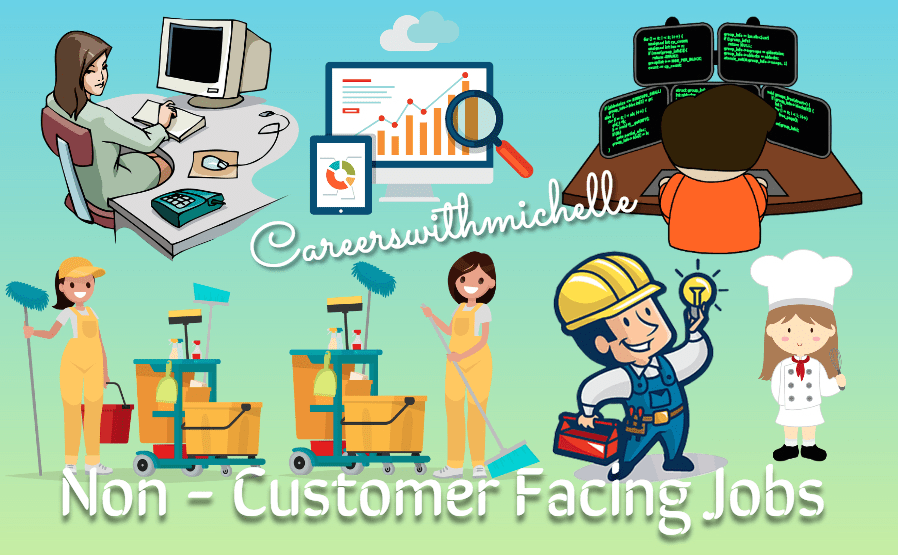
I do have a few clients who were seeking job placement assistance from me and I oftentimes receive this message, “I’m looking for a job that’s not customer service related or engaging with people.”

Well, that is definitely okay, because not everyone is built to thrive as a people person. However, it could be a challenge for them during their job search since they will most likely not want to network with professionals – and we all know that this is the quickest way to landing a job.

Especially since the global health and economic crisis that’s still going on currently, you can look into Work-From-Home jobs that do not require you to be client facing.

In addition, I have compiled a list of jobs and careers that do not require folks to be client facing. (Please note that all salary and educational percentages are obtained from Career One Stop and Bureau of Labor Statistics)

Data Entry Clerks – Basically, this is a very simple and straightforward kind of job. Although it’s not client facing, data entry clerks need to possess basic digital literacy skills – which requires their knowledge in spreadsheets, proficiency in typing, organization/administrative skills and word processing.
This role consists of compiling data, information or other documentation to report to their colleagues and of course ensure accuracy by checking/verifying the data for any errors. The median annual salary varies however, it typically is around $38,000-$39,000 in the NY Metropolitan Area. Over 50% of the workers in this field have a HS diploma (which is a requirement) or with some kind of college degree.
Click here to see how to build a resume focused on data entry clerk roles!

Actuary – This career requires not only a Bachelor’s degree, but they also need to pass a series of 2-3 exams in the U.S. to become a Certified Actuarial Analyst. That is their passport to landing a financial services career. The median annual salary in the NY Metropolitan Area is $130,100. Actuaries are keen in business (economics, finance, accounting), they are mathematicians (well grounded in algebra, calculus, statistics, probability) and possess strong computer skills since they need to be familiar with statistical analysis programs and many programming languages, as well as manipulating data. Now that you have an idea of their skills and competencies, actuaries combine mathematical reasoning and financial principles to help analyze financial costs of risk for their clients and businesses, and discover solutions to reduce that risk.
Click here to see a guide for those looking to pursue a career in the actuarial field!
Click here to see how to build a resume focused on actuarial science for students!
Click here to see how to build an Analyst Actuarial focused resume!

Software Developer/Engineer – They manage the systems software and applications by analyzing, developing, designing, creating and implementing software solutions. The thing about this career is that even though they build these programs for people, they do not need to talk to people while they are performing their duties. What they are engaging with is technology – the network systems, devices and programming. Typically, software developers need a Bachelor’s degree from Computer Science, Software/Computer Engineering or a related field. The median annual salary is typically around $117,680 in the NY Metropolitan Area.
Click here to see how to build a software developer/engineer focused resume!

Computer Programmer – Rather than engaging with people daily, a computer programmer will be engaging with coding languages instead. They are responsible for developing and writing computer programs/applications and assisting software developers to recoup specific data, documents and information as well designing software solutions. Computer programmers are familiar with coding, mathematics and engineering. They will need at least a Bachelor’s degree from Computer Science, Software/Computer Engineering or a related field. The median annual salary is typically around $92,100 in the NY Metropolitan Area.
Click here to see how to build an entry-level computer programmer focused resume!
Click here to see how to build an experienced computer programmer focused resume!

Janitor/Custodian/Cleaner – Obviously, this job does not require any kind of formal education and definitely not client facing needed since they are solely focused on making everything spotless, dust free and keeping everything in good condition. There are apprenticeships and certifications that they can take to pick up their skills, so that way they can prove to employers that they are competent and are able to do the job. This job is mainly based on experience and their ability to do the job, since it is labor intensive. Janitors, custodians and cleaners usually need to be able to stand for long hours since they clean everything – buildings, sweeping/mopping floors, windows, walls, doors, mowing grass, cleaning restrooms, removing snow, removing debris, etc. Depending on the employer, some might actually need to have a driver’s license since they might need to drive vehicles to other worksites. In addition, in many cases, they will need to know how to repair things, by putting on their maintenance hats. Over 60% of janitors/custodians/cleaners have a high school diploma or less. About 25% have a college degree, and those are probably students who need a job to pay off their student loans/tuition or to pay rent. The median annual salary is $34,030 in the NY Metropolitan area.
Click here to see how to build an entry-level janitorial focused resume!
Click here to see how to build a custodian focused resume!

Technical Writer – Instead of having to communicate with people, all technical writers need to do is to pivot their communication through written expression. They write about technical products. They create step-by-step guides, journal articles, instruction manuals and other electronic matters to make people’s lives easier. Almost 50% of folks in this field typically hold a Bachelor’s degree in Journalism, Corporate Communications or a relevant field specifically related to scientific writing, engineering, business, computer science, medicine. Over 30% of folks in this field hold a Master’s degree/Doctoral or other related professional degree. However, you can’t get away with just a degree. Experience is more relevant. To write about these inanimate objects, technical writers need to possess technical knowledge of how electronic equipment works, be good researchers and organized as they will need to stay up to date with new technologies and consistently compile technical information and other documentation. The median annual salary is $80,710 in the NY Metropolitan Area.
Click here to see how to build a technical writer focused resume!

Interpreter – This is for those who are bilingual, trilingual and even multilingual! If you love communicating in different languages, if you love translating and if you are sensitive to cultural differences, this could be the career for you. Interpreters are responsible for translating oral or written material from one language to another. On average, over 30% of workers in this field possess a Bachelor’s degree in Foreign Language. Interpreters and translators are very keen on the subject of the structure and subject matter of foreign language. Strong written, verbal and listening abilities are a must to do well in this role. They are also usually very knowledgeable on all aspects of the English language as it is very crucial in analyzing the rules of the framework/anatomy, grammar and pronunciation of each language. The median annual salary is $75,180 in the NY Metropolitan Area.
Click here to see how to build an interpreter focused resume!

Image Reviewer – The good thing about this job is it can be remote and done on a freelance basis! If you love photography, editing and touching up photos and approving images according to the company’s guidelines, this could serve as a good gig for you! According to Real Ways to Earn Money Online, image reviewers are responsible for evaluating the images for overall quality, technical execution, commercial suitability and adherence to the company’s acceptance standards. A popular company to work for in this role would be Shutterstock. In order to qualify, typically 2 or more years of photography experience is highly recommended. Photography careers are very dynamic, but to be very specific, if you have experience as a stock agency contributor, photo editor, portrait photographer, photojournalist/news photographer, freelance photographer or a photo researcher, you should go for it. The median annual salary is $54,845 in the U.S.
Click here to see how to build a photographer focused resume!

Film and Video Editors – If you have a creative mind for storytelling, altering motion pictures as well as synchronizing soundtracks with them, this is how they do it! Over 50% of those in this field hold a Bachelor’s degree in Film Studies. Film and video editors are very well versed with media production, electronic/broadcasting equipment and English language (to edit video & audio recordings). The median annual salary is $75,380 in the NY Metropolitan area.
Click here to see one way on how to build a video editor focused resume!
Click here to see another way on how to build a video editor focused resume!

Electricians – Instead of working with customers, electricians work with their hands. Electricians work on many electrical repair projects such as, installing street traffic lights, intercom systems repairing electrical wiring systems and control systems. They have to be knowledgeable in troubleshooting and figuring out what is causing the system/programs to not work – which says a lot about their judgment and critical thinking/decision making skills since they have to come up with quick ways to deliver a solution. Folks in this field are usually keen on tools that are associated with construction repair and mechanics – they must be familiar with the machines and tools that they are using to repair (whether it is a highway, road, street lights, etc.). Strong mathematical ability is a highly preferred skillset although not needed. A solid grasp of sums and geometry are helpful for calculating the areas/lengths for securing circuit breakers and wire installations. Algebra is also a big help for computing electrical loads and currents. About 70% of electricians hold a high school diploma/equivalent, or some kind of college degree (Associate’s & Bachelor’s). The median annual salary is $76,610 in the NY Metropolitan area.
Click here to see one way on how to build an “eye-grabbing” electrician focused resume!
Click here to see another way on how to build an electrician focused resume!

Head Chefs – If you are one of those who enjoy cooking and coming up with new recipes to showcase your creative cooking ideas, this may be the right fit for you. Plus, who doesn’t love food? Head chefs prepare ingredients and cook all kinds of meals and desserts. However, they do more than just those. They are responsible for monitoring other staff members to ensure that they are on the right track to provide customer satisfaction, and to swiftly handle any food-related issues. The median annual salary is $58,190 in the NY Metropolitan area. Over 30% of those in this field have a high school diploma or equivalent. No college degree is needed for this, however there are many vocational training schools below offered by Career One Stop that prepare others for this:

In a Post-Pandemic World: Best Practices on Improving Virtual Employee Engagement

Looking to better understand how HR and leaders/managers are engaging their teams and keeping morale positive with the COVID-19 pandemic upon us all?
I have outlined some of the best practices for maintaining virtual employee engagement while we are all working from home.

Virtual team building activities are a wonderful engagement tool – such as leading an interesting ice breaker, which can help improve the lack of communication that some colleagues/team members may have, especially since working from home now can be isolating and depressing for many of us. This really helps colleagues spend time together to enjoy and reduce stress.
This is a good tactic for team members, leaders and managers to organize – to drive employee motivation and engagement, and an effective way to get everyone to know each other personally and professionally – and even learn from each other’s innovative ideas.
To ensure its success, during the team meetings (smaller groups), leaders and managers should have each team member take turns to come up with an ice breaker before the next meeting. That way, everyone has a chance to participate and can contribute to something.
In staff meetings (larger groups), leaders and managers should come up with a different kind of virtual activity that will boost everyone’s productivity. It is a great warm up for the brain before getting into serious discussions – such as guessing games like Trivia and Taboo.
The only uncertainty to this approach is settling with the right activity for everyone in the meeting because not every employee will enjoy the game.

Image via Shutterstock
  • Creating an online leeway is also another way of engaging and motivating employees during this time. There should be leisure time for employees where they can discuss freely on non-work related stuff. Remember, we are humans and not robots. We need leisure activities to help us maintain a great work-life balance that will positively impact our mindsets, in such a way where we can invest in our physical and mental health. This also helps employees create a sense of community by reducing the sensation of social distancing.
  • Below are some ideas of virtual leisure activities where employees can network and connect with their teammates on both a personal and professional level. The most popular platforms to host these events would be Zoom or Google Meet.
    ☻ Virtual Lunch Meetings
    ☻ Virtual Wellness Programs (Workout Sessions, Dance Lessons, Yoga/Meditation Classes, Ergonomics, Talent Shows, Karaoke)
    ☻ Virtual Hackathons
    ☻ Virtual Happy Hour
    ☻ Virtual Community Engagement Events
    ☻ Virtual Team Retreats
    ☻ Virtual Zoom Workshops/Organized Discussions
    > Show and Tell: Employees sharing a favorite object/memory and explaining the importance of it to others
    > Interactive training to increase employee development
    > Guess The Person: Employees can quiz their colleagues and figure out who’s who

    Of course, every organization has a different perspective and their own ways of proposing their team building communication tools. For more inspiration and creative ideas that you may want to engage your team members in, check out this article on SnackNation which provides 52 Virtual Team Building Activities To Boost Remote Employee Morale In 2020.

    Virtual office hours can bring employees closer together and connect in real time. You want to first establish a communication tool that works best with your team. The COVID-19 outbreak has forced employees to work from home. This gives them the freedom to work flexibly and stay connected to their work regardless of time and location.
    Clear your schedule and give 3-5 hours a week of your availability to catch up with colleagues to answer any urgent questions/issues that they may have regarding a task/project, OR to just even chat.
    The best team communication tools at the moment that I’ve been hearing are: Slack, Zoom, Cisco Webex, Skype, Trello and Google Meet / Google Hangouts. They are completely free of cost to use and especially beneficial for non-profits. However, there are more resources below that you are not limited to:

    The 15 Best Internal Communication Tools (via ContactMonkey)
    Best online collaboration software of 2020: paid and free tools for work sharing and communication (via TechRadar)
Image via Shutterstock

Maintain visibility with your supervisors, team, collaborators and upper management. It is crucial to keep them up to date with what you are working on since there is no micromanagement when working from home. It isn’t as easy as those days where your supervisor was just a cubicle away from you and can come to check in on you whenever convenient. This is a good way to maintain effective communication (face-to-face via Zoom) – not only in staying up to date with team projects, tasks and meeting deadlines, but this also gives supervisors a chance to track your progress and be there to guide you on whatever challenges you may have. The key to a robust workforce and effective employee engagement is to ensure that their contributions and industriousness are being acknowledged. Recognizing their hard work and achievements, propels and motivates employees in delivering the best results.

Image via Shutterstock

Watch your tone (especially when you are not communicating face-to-face).
One of the biggest drawbacks of written communication is miscommunication. This can trigger misunderstandings and misinterpretations between the sender (you) and the recipient (them). Normally, many of us use visual and verbal cues when communicating face-to-face, which adds meaning to the things we say – and that includes our body languages, hand gestures and facial expressions. However, since everything has shifted to remote work, the lack of these signals can cause our messages to come across as rude or something that we did not intend it to be. We should be mindful that as we are emailing others, it can be helpful to humanize and illuminate the tone of these messages through our clarifications. I suggest that adding a smiley face emoji and starting off the email with a warm tone such as, “I hope this email finds you, your coworkers and your loved ones safe and well during these uncertain times” can really lighten up the mood of a message.

Start a blog and create weekly posts. RECOGNITION. Highlight employee achievements. Include employee and client testimonials and stories. This does not only promote employer branding and visibility, but this is also the main strategy in maintaining employee retention as it makes them feel more connected to their organization. According to Impraise, when a manager takes time to regularly demonstrate gratitude and appreciation for an employee’s accomplishments it can motivate, engage, and reinforce positive behaviors and outcomes. Similarly, with the rise of project teams and more collaborative workplaces, it’s also important to create a culture where positive peer feedback is exchanged amongst the people you work most closely with.

Last but not least, please don’t forget to take mini breaks, short walks and practice on self-care. It is super important for all of us to catch up on self-care during times like this. It is okay to give yourself permission to pause and clear up your mind. Remember, it is not selfish to take the time for yourself.

… If you feel “burnout” setting in, if you feel demoralized and exhausted, it is best, for the sake of everyone, to withdraw and restore yourself.

Dalai Lama