
The Pros and Cons of Permanently Working Remotely For Corporate/Tech Industries

Image via RescueTime

In this rapidly changing job market today, it seems that salaries are gravitating downwards due to the flexibility of allowing employees to work from home in the corporate world and tech industry. And with COVID-19 layoffs, this global pandemic has put downward pressure on pay.

Employees from software giants such as Microsoft, Facebook, Google and Twitter — were given the option to work freely from home forever, even when their offices open back up.

With this new Work From Home/Remote standard, employers have the freedom to hire from any geographic location that they desire to. This will heavily affect areas with high costs of living because they will not account for higher salaries. Basically, compensation will change drastically depending on where you live in the country as they will do regionally-based salaries. We can see that this is already impacting the tech industry, which will generate an approach to more supply because it opens up the competition significantly. In the long run, this method of compensation will drive down employee salaries. This will also result in mass migration because people will no longer be tied down to living where they work. If you think about it, working remotely versus going into an office will not only impact the salary, but also promotions and growth.

For example, companies in the Silicon Valley are lowering the salaries of employees based on where they relocate.

“Even a move within the state of California will result in lower pay: workers who decamp for San Diego or Los Angeles will take an 8% pay cut”, Bloomberg reports.

Business Insider

Many tech firms are cutting labor costs for employees who move to less expensive areas. This isn’t fair for other employees who get paid less for carrying the same job title and performing the same amount of work. This is where the cost of living brings out the factors for these companies. The factors of the economic principles of supply and demand come into play.


Pro #1. The employers that are incentivizing this “WFH permanently” option, are widening their talent pool within their area – which can be great for folks who are highly talented. So therefore, the ability for an employer to hire at a lower cost due to the larger talent pool might compress the wage for that particular position, but if it allows the candidate to apply and potentially earn that position at a salary that is higher than what’s available in their current geographic labor market, then their respective salary has increased. Let’s not forget that WFH is not a mandatory thing for everyone. This is optional as there is still people who still prefers to go to back to their workplace and cubicles.

Pro #2. WFH offers more flexibility. WFH if you want, come in if you want. As long as you get the work done, your company will benefit from happier employees, wider talent net, smaller buildings and so on. For some folks, they may have a dedicated office space in their home or studio where it makes them feel much more productive as it has given them greater freedom to have a healthier lifestyle with less stress, and to be able to take care of their children.

Pro #3. WFH also improves ecology and prevents the contamination of the spread that’s still going around. Yes, it is nice to have an opportunity to work from home as this reduces carbon footprint! This reduces time in the traffic as there will be less cars on the road, and you won’t have to feel dreadful about waking up early. Not having to commute or paying for a $20 lunch meal daily, saves you a lot. Working from home is a great idea for both employees and employers who can save on their biggest expense, which is real estate and payroll.

Pro #4. This is a big step to reduce unemployment. Think about certain populations who have been out of the workforce for so long. For example, there are individuals who have disabilities or chronic health issues that limit their work options. And individuals who had to take care of their children because they do not have anyone else to look after them. But they are ready to enter the working world again and are still in search of employment. If they have the skills to do so, all they need is to set up their dedicated work space and equipment at home. With an unemployment rate of 8.4%, there are far more potential workers who are available to bring their valuable assets to the right employer.

However, it is not possible to fully live without the face-to-face interactions. As the world and labor trends continue to change and adapt, this brings us to the cons.


Con #1. If employers are extending offers to anyone in the country versus the local area, the demand for talent may decrease. This is a huge disadvantage for job seekers that lack digital skills. Fewer and fewer opportunities are available to those lacking a baseline of technology access as well. Studies also show that for many employers, working from home from time to time will likely continue as the new normal once the pandemic subsides.

Con #2. This is something that nobody has ever thought about, but employers would need to consider the time zone difference if conference calls/team meetings/client calls are needed. This can result in burnouts since there is no micromanagement. So the key variable here is engagement, where employees should feel supported and valued even behind the screen. Leaders would need to be willing to invest in software and hardware to make it work and build realistic protocols and accountability measures to ensure the work is being done. And this would require change in the design of workflow, teams and functions, as well as clear communication of expectations.

Con #3. In the long run, this can negatively affect some of the younger generations who are beginning their careers as some are visual learners. If they do not get to interact with their team or colleagues, this can limit their development since they won’t have the opportunities to learn from others on a daily basis. We need the face-to-face interactions to stimulate our communication with both internal teams and with our clients.

Con #4. Many employees (support staff, office admin staff, security staff, transport staff, etc.) who can’t work from home will lose their employment. This goes for jobs in the hardest hit sectors (hospitality/retail) — they are becoming obsolete, such as administrative assistants, receptionists, sales associates, etc. And, what will happen to the office space once that is all gone?

Con #5. Concerns have also been raised about work/life balance — where working from home only works if your environment is adapted. In other words, not all folks live in a place that is suitable for working from home. For instance, not everyone will have access to good WiFi, office supplies, ink, technology, etc. How many companies are willing to cover for that? And if they do cover that, how are they going to pay for all of their employees? Stipends?

Con #6. Mental health. An employee’s health matters too to ensuring a productive workforce! If employees do not make time for their wellness, they will be forced to make time for their illness. It’s true. This is a hot topic that has been discussed since the beginning of the lock down because many employees prefer office interactions and collaborations. We are humans. We develop the positive energy from being around people and the relationships/interactions are definitely not the same when working from home. In many cases, in-person discussions make a bigger difference and building solid relationships is more effective when done face-to-face.

Con #7. As you draw the big picture in your head about living situations when permanently working from home, some individuals will have the idea of selling their current property just to move back to be with their families because they will save more costs on rent, utilities, electricity, gas, etc. It is a nice recourse that many of these employers are offering, however things may/will always change. What if the employer reverts their decision and decides to make their employees come in to the office permanently? Or for a specific project/collaboration? This could be a logistical disorder for some individuals who are affected by their living situations. Not many folks are willing to pay an arm and a leg to live in areas that they cannot afford.


All in all, existing gaps between the haves and have not’s may be further heightened and it’s not hard to imagine folks being passed up for positions just because they simply don’t have the infrastructure to work from home and prefer working in the office instead. This pandemic is going to have far reaching impacts to many of our cities. But also, in a positive way in that here is an opportunity to close the wage gap between have and have not’s.

The Importance of Compensation Components

Image via Lynda

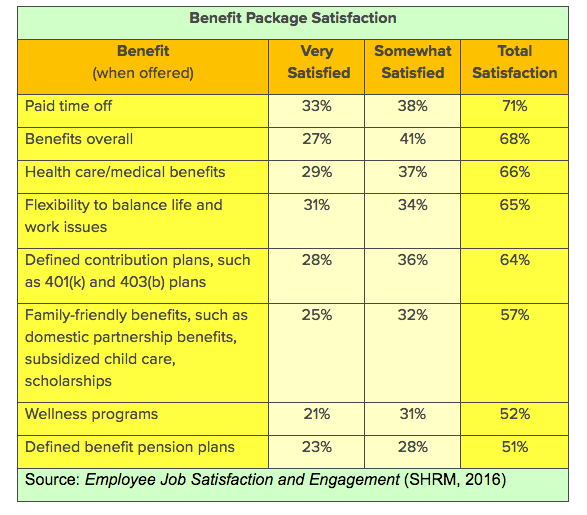
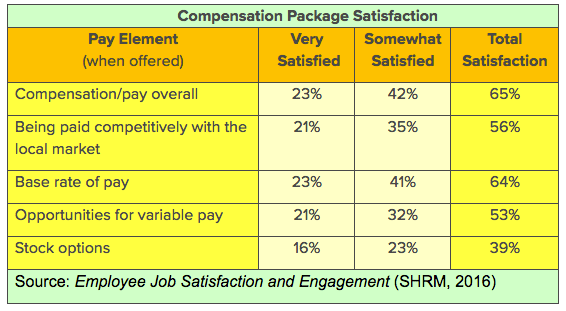
Compensation and benefits are one of the most important components in the workplace. The significance of this leads to better retention rates within the company. In a career standpoint, better pay and better benefits leads to job satisfaction.

However, many employers shy away from compensation and benefits and this topic should be discussed more comfortably and freely between the hiring manager and the employee. Smart employers know that keeping quality employees requires providing the right compensation and benefits package. Compensation includes wages, salaries, bonuses and commission structures. Employers shouldn’t ignore the benefits portion of employee compensation and benefits, because the benefits sweeten employment contracts with the priorities that most employees need.


Top talent may soon be looking elsewhere for opportunities if they do not feel like they are being adequately rewarded.

Christina Lee, SHRM’s researcher for total rewards strategies and project leader of the Employee Job Satisfaction and Engagement (SHRM, 2016) Report

According to Small Business’ resources of Chron, the right compensation and benefits in the workplace results in:

  • Attracting Top Talent
  • Increased Employee Motivation
  • Boost in Employee Loyalty
  • Increased Productivity and Profitability
  • Job Satisfaction So People Stay

There are 4 elements of performance pay:

Image via SHRM
Image via SHRM

Below are some discussion points that global leaders from HR and Talent Acquisition have highlighted, that folks can gain insight from:

  1. Tuition reimbursement for employees and those who have children, plays a huge role in performance pay. Not all employers are willing to provide this benefit because not all have the budget or funding to do so, especially for non-profits. However, this is a huge asset and also a good way to support employee loyalty and retention because this can help their employees continue to further their education in obtaining the necessary knowledge/credentials that can help sharpen their skills while they are performing at their current job.
    Gym membership is also another link to performance pay because in NYC, everyone I am associated with – prioritizes gym and exercise usually before or after work. Finances can one of the main barriers to health for some employees so I think that this can be a barrier that can be removed by allocating employees with that membership as a benefit.
    • Tuition reimbursement is such a draw. I have found that it’s one of the benefits that people like having access to even if they do not ultimately use it.
    • Staying physically fit can fix a host of health issues and keep the cost of health insurance down so it could be a wash or even a cost savings.
  2. Tuition reimbursement is a valuable benefit for both the employee and the employer. The employee has an opportunity to advance and develop their skills while the employee gets the benefit of having a more skilled and potentially more productive employee. This benefit and companies who offer this benefit have shown to produce more highly skilled staff as well as savings on retention, recruitment and turnover. Both the smoking cessation and gym benefits has an impact on performance. Healthier employees are often more productive and statistically spend less time on sick leave. This is an obvious and direct benefit for the employee and an more indirect benefit for the employer.
    • Particularly about tuition, smoking cessation and gym benefits being a benefit to both the individual and the company: Too often they are viewed as a benefit to the employee, but reduced sick time and higher productivity definitely help the company. 
  3. Tuition Reimbursement for Children – Considering the cost of education in Switzerland and the impact on a family spending and quality of life,  then the fact for an organisation to cover fully or partly the school tuition fee for kids will be as a very competitive benefit.
    Quality of CoworkersNowadays more and more employees are seeking for great place to work. Therefore the ranking and selection from future employees to join and current ones to remain, will start  to look or connect with the quality of staff behaviour, skills as much as the  overall in-house work life style and atmosphere.  It is unconsciously the more empowering and rewarding benefit to have and clearly links to much better performance pay than children tuition refund. It is not always about money but rather about sustainable and positive mental health.
  4. The value of job titles should align with performance of expectations set by the company. Addressing job performance is a very common way that leaderships evaluate a candidate on whether they are the right fit for a change in job title or a promotional increase. Having the opportunity to be assigned new job titles is an experiential benefit in the sense that is is an example of recognition, but it also can be part of direct compensation if this job title comes with different pay. Different employees have different values at different times of their lives. If we have an employee who has a strong work value and looks at companies as who the most competitive is and offers the most opportunity for growth, then this employee may put a heavy focus on the value of the job titles when reviewing the benefits of working for one company over another.
    The quality of coworkers can very much so be related to performance pay. Your immediate coworkers may be the people you spend the majority of your work week with. You trust them to get their responsibilities done, to assist you when you need help, to give you feedback and to make the workplace enjoyable. We risk losing good top performers if they don’t feel that connection or value their coworkers. I include managers in this as well. I think a lot of us have heard the phrase “I didn’t quit the job, I quit the manager.” Hearing this from an employee who is leaving the company is very difficult. We have to look at both sides to wonder if the right leader is in place or if this was extenuating circumstances with just this employee. If we don’t have a strong enough leader in the role, we risk the culture being ruined and losing people to competitors who have a better system of finding and placing management. Employees who feel supported, comfortable in talking to their managers and coworkers and seeking help will perform much better without the added stress or insecurity of failing. I think this can be tied into the value of a job title as well. Employees may not only value their own title and the opportunity to grow in title, but they may value the title of their coworkers and managers too. If they feel that a title is too senior or superior related to the behaviors a coworker or manager is displaying, there could be some tension and frustration. I may even argue that the health of the team engagement has one of the biggest impacts on production and performance. We can get honest and true feedback when the the team quality is high. We have people who are qualified for their positions, mutual respect for each other’s job functions and responsibilities and feelings of genuine interest in succeeding. Without a high quality team we run the risk of passive aggressive interactions, office politics, distrust of management and feedback and defense mechanisms to protect our workloads and our emotional well-being.
  5. Tuition reimbursement and gym reimbursement are the ones that stand out to me.  These two are great ways to create an incentive for employees to be productive and also to create a comparative advantage if you are hiring employees with higher education or those with certain certificates to show and/or improve their skill set to keep the talent in house. I also believe that gym reimbursement would encourage a healthier workforce if it’s included as part of the wellness package offered by an organization. Providing gym reimbursement programs could help to link better pay for performance conversations and motivation. Ensuring employees are taking care of their physical health but it also is a great tool to support emotional wellness. If people look and feel good they will produce better results.
  6. Tuition reimbursement for employees is definitely a value added benefit from an organization perspective. This is a common benefit which we have seen in the larger organization, however the medium / small firms do not provide such offers to employees. This kind of benefit helps employees in developing their skills which will help the org to get higher productivity with better revenue / margin from these employees.
    Tuition fee reimbursement for children is most useful for employees in the mid-level of the organizational hierarchy where attrition is the strongest. It can be used as a strong motivation factor to retain talented employees as it also encourages employees to put their children to good schools, which they wouldn’t have been able to afford previously.
    Advancement opportunities motivates employees to choose and certify in the area of their interest. Through this, the organization can drive a culture of learning and innovation. It indirectly opens opportunities for internal job movements and job rotations. When employees are given this sort of flexibility, it reduces attrition in the long run.
  7. Having a smoking cessation program allows and encourages motivated employees to get healthier which decreases costs for the employer. Non-smokers may be more productive as they are less likely to take smoke breaks or to be out sick. However, since not everyone smokes, having this type of program only benefits those that currently smoke.
    Quality of coworkers – Almost everyone, regardless of their position, must work with coworkers at some point. Having a respectful and positive relationship with coworkers can make even a mediocre workplace so much better. Alternatively, you could have a great employer and workplace but having a negative coworker can outweigh those pros and can even affect other aspects of your life.
    • Comparing the two areas above, I think quality of coworkers is the better option for linking pay for performance as this is something that would likely affect more employees and would be a great attribute to attract and retain employees.
  8. As a recruiter, one of the most asked questions I receive from potential hires is the Value of Advancement Opportunities. Employees want to know that they have a future with the organization, and that their work will be considered, appreciated, and rewarded with the possibility of advancement. However, I have also noticed that many candidates are not really interested in probing further. They will ask if there is a career path or opportunity to grow, but it feels as if they are ticking the box, that they have asked the question and if they receive a strong sounding “Yes”,  they move on. They don’t probe further nor do they ask about what their individual career plan would look like, what their milestones would have to be.
    I have also held focus group discussions with current employees and have noticed that female employees feel that they don’t have the same opportunities (in our organization) for career advancement in comparison to our male colleagues (for a number of different reasons but especially because they don’t believe they get the right exposure to executive management). Therefore, career advancement opportunities may be a value that is limited to a specific number of employees and not an opportunity that all employees will feel that they have.
    On the other hand, Value of Job Title is a confirmed pay for performance benefit, because it comes at a specific time and possibly with added benefits and a higher direct pay (on all 4 elements of performance pay). Employee satisfaction would be higher, and organizations can ensure that they look at the performance of their female staff and reward it directly with a higher Job Title. Therefore, job titles are a better pay to performance value than a better advancement opportunity.
    • I work with some organizations where job title is not necessarily reflective of job duties and responsibilities, but because they want to keep the incumbent happy they inflate the job title. Many employees link their satisfaction to the job title, which directly affects productivity levels.
  9. Tuition reimbursement for employee plays a major role in performance pay and is a very valuable benefit for both parties. Having the support of your employer to further your education, whether it be additional degrees or a specialized certification, is an excellent benefit for the employee. It also shows the investment the employer is making in you as they want to assist in sharpening your skills and knowledge increasing your value as an asset to the company.
    Gym membership can be viewed as a positive impact for performance. Gym memberships can be costly and deter employees from joining and participating. Helping overcome that financial obstacle as well as instilling a healthy work environment can improve the mental sharpness of the organization increasing productivity.
  10. Advancement opportunities – Opportunities to advance within a company drives progress within employees. If they know there are opportunities for growth within the company they won’t settle for “good enough” instead they will drive to get better and better at what they do so they can advance within the company. 
    Quality of coworkers – When employees enjoy working with others within their company they are less likely to leave the company. This gives the company an advantage over others who may pay better but have less enjoyable work environments. Since turnover is such a high cost, hiring quality employees, even if it takes longer, is of great benefit to the company. 
    Both of these link to pay for performance in similar ways. Employees who are more satisfied with their work environment work harder and stay longer. However, I would argue that having quality coworkers would eventually prove more beneficial to the company over advancement opportunities. The reason for this is because most people under-perform and leave their companies due to the frustration of the overall company culture. Those who lead form the culture but the employees maintain it. Having a healthy group of workers who maintain a great work environment will lead to more success for the company overall and make it more attractive than other companies within similar spheres of work. Which means less turn-over, more quality hires, and quality work throughout the company. Providing greater service and producing greater results. All because people enjoy working where they are, the culture is one of working hard and producing quality results, and the workplace is attractive to other quality employees.   
  11. Onsite daycare – the cost of daycare can be very high in some areas. It can also be challenging for parents to find a facility in which they can trust the people to keep their children safe. Once a daycare is found, parents have to take the time to drop off their children before they go to work and leave work early enough to pick up their children at the end of the day. An onsite daycare cuts down the travel time in both directions, employees can easily pick up their children without losing additional work time and they don’t have any out of pocket costs.
    Advancement opportunities – this is particularly important for people early in their careers. Employees who have career goals typically want to work for a company where they can advance their skills and experience but stay at a company where that growth is rewarded with a promotion or new role. If they can’t get that in their current organization, they will take that knowledge and experience to another company which is a huge loss to their current employer.
    Both of these benefits really tie into the place where someone is in their life. Typically, someone in their 20s or early 30s is most concerned bout getting to a certain place in his/her career before they settle down and start a family. Someone with a family, may be more likely to have achieved a management level or higher role and is looking to maximize their time at work and with their families and may prefer the daycare benefit. The most important thing to consider is what’s important to YOUR group of employees. What is the current demographic and how do you align your benefits strategy to that? As the demographic changes, how do you adapt that to where your employees are in their lives at that point in time.
  12. A huge part of someone’s performance is tied to their mental health, and a huge part of mental health is physical health – gym membership. Gyms and trainers can be incredibly pricey, but if you offer your employees cheaper options, they’re more likely to exercise and, in turn, be even more productive at work. This is something most people would take advantage of in a company, so people would really appreciate this
    onsite daycare, even more so than a gym membership, would do a LOT of employees a lot of good. There are so many people that are kept from corporate jobs because they have children and can’t afford child care. If a company offers child care at their facility, employees can bring their children with them to work and ensure they are safe and taken care of all day, worry free. This will allow them to focus on their job rather than the financial burdens of child care. This is something people would easily accept a job for, all else being equal or even close. Though gym memberships would go a long way, on site child care would be the most powerful thing that a company could offer with regard to pay for performance over time.
  13. Tuition reimbursement for children and quality of coworkers are tied for me. It’s hard to say which of these two would hold more water in linking pay for performance. I think it depends on an individual’s value and may also be influenced by different generations. For example, quality of coworkers might appeal more to Millennial employees, while tuition reimbursement for children may be more of a benefit to Gen X.
  14. Tuition reimbursement for employees is an incentive to promote further education and training, which is why it links to pay for performance. It incorporates the will to improve and strive to become better.
    Advanced job title relates to pay for performance since the title indicates to third parties which responsibility an employee has, and since most people want to live up to expectations held about them, it motivates to fulfill said expectations. Since with an advanced title, usually the salary advances as well, the title can also be seen as blended benefit and not purely experiential one.
  15. Advancement opportunities and onsite daycare are the two components that I would like to pick.
    I believe advancement opportunities offer a more direct co-relation to greater performance as one can be clear that better and greater performance can lead towards career growth and there is scope for the individual to then earn more and as a result improve the overall quality of life.
    Onsite daycare on the other hand is a more here and now benefit, which might not be applicable to all employees and hence has a limited scope in influencing performance of all employees.
  16. Tuition Reimbursement for Employees – Providing this benefit allows employers to develop top performers by ensuring they meet education requirements necessary for a promotion. Hiring within and keeping the talent in-house versus heading to a competitor.
    Gym Membership – Physically active, healthy employees who feel good are more productive, call in sick less, and contribute to a healthier, more positive work environment. 
  17. Tuition Reimbursement for Children. This is a very interesting point on linking it back to performance pay. In Asia overall, education is critical. The view that the child has to surpass the education of their parents is evident. Therefore for an organization that can provide this children tuition reimbursement, will definitely be highly regarded by the local communities in Asia.
    Value of Job Title. Yes, believe it or not, Job Titles are more important that what the job actually entails in some Asian communities. Therefore there had been ways where more higher perceptions on Job Titles are implemented to unlock this, and had been doing well in inducing performance for some organizations including mine. For example, in my organization, we change the title of “Senior Assistant Brand Manager” into “Brand Lead”; no change in job scope. This has then create a huge shift in perception on the job and making the position more attractive. As millennials said “Job Titles are how we want the external society know us, it is important!”, quoted on one of the FGDs about career in my organization.
  18. Advancement opportunity is something that is equally important to the employee and the employer. An employee who is motivated to develop a successful career path within the organization will be committed to the organization and theoretically, perform at a high level and be super productive. An employer will benefit from the employee’s growth within the company, their institutional knowledge that they develop over time, as well as expanded skills and knowledge. Driving this advancement opportunity with performance pay is a clear method to providing this benefit.  
    Second, job title is important to an employee and fits hand in hand with advancement opportunity. There are companies that will promote an employee in title only, and not link performance pay to it, and others that do link it to a salary increase. Job titles are something employees are proud of and wear as a badge (whether the job title change comes with performance pay or not).  However, without real career  advancement tied to that change in title, including things such as additional responsibilities, direct reports, and future opportunities to strive for, the change in title is meaningless.  Therefore, I believe advancement opportunities can be better linked to performance pay.
  19. Value of job title. Employees value their job title when it is meaningful to the position held. Assigning the correct job title to a position is a basic essential task. A job position with the wrong title can lead employers to many problems like pay inequity, loss of morale, turnover, etc. Employees with the incorrect job title can often be frustrated, lower productivity, and lead them to leave for a “better” opportunity. From my personal experience I can share that my company did not have the title “executive assistant”, when I was hired as an Executive Assistant to the VP Operations and Technology I came onboard with 10 years’ experience as such. At that moment, the company decided to grant the job title of ‘Executive Assistant” to all the administrative personnel working for an executive or a director. Overnight, the administrative assistants were suddenly called “executive assistant”.  This change led the administrative assistants to think that they should be earning a much bigger salary than they were. In practice, they were not fulfilling the role of executive assistants, but administrative assistants. As they start to retire or get new career opportunities elsewhere, we have replaced those positions with true to market executive assistants that do fill the position expectations and are paid according to market. I think that there is no other benefit that can be offered that would better link pay to performance than this one. At the end of the day, the correct title will reflect in a more accurate salary benchmark.
    Value of advancement opportunity and tuition reimbursement. I chose to list these two together for a reason. In an era in which long tenured employees are vanishing from the workplace, people do not wait years to advance to the next position in the same company. This alone, creates a whole host of issues and there is a definite need for employers to find creative ways to entire them to stay. Usually employees stay around 2-5 years with a company and get their next opportunity in a different company. It is very important for a company to show to its employees both: a ladder and a way to prepare for their next career step wherever they go. This way of presenting career advancement would lead a company to attract employees that are eager to learn and advance and help them all at the same time (education and promotion).
  20. I think coworker quality is an undervalued component of the workplace. In trying to create a high-performance culture, which is something my organization is working towards, it is important to incentivize the behaviors you want to encourage. For example, in our production departments, we are beginning to incentivize speed and accuracy. We do this by measuring the output of each contributor and developing goals that are tied to incentives. As we set our expectations, a culture of workers who are fast, accurate, and have high attention to detail will begin to emerge because those who cannot meet those expectations will not succeed. Employees who do meet those expectations will begin to hold each other accountable and measure their output against others (as employees are already constantly looking at their own performance in contrast to others). Thus, working alongside others who understand and work toward the high-performance culture will create more job satisfaction and will increase the overall compensation.
    The value of tuition reimbursement could be a great component of pay for performance. Tuition reimbursement could be a benefit offered based on tenure, on sales goals, on overall performance evaluation ratings, or any number of other achievements or competencies. We live in a highly individualistic culture, so rewards based on an individual’s contributions against a benchmark instead of those rated against the performance of others could be a more successful pay for performance model than the standard production output incentives.
  21. Onsite daycare is a very valuable benefit. Especially being a mother myself, I truly believe this can have a great impact on employees. Having to travel across town to take your kids to daycare and try and make it back to work on time can get really stressful. Offering this benefit to your employees really shows an organization’s support for its employees which can then increase employee loyalty. 
    Tuition reimbursement for employees is also a very valuable benefit to offer to employees. I have noticed that not all employees take advantage of this, but I think just having it as a benefit says a lot about a company. My company offers this benefit and it has allowed me to take paid HR courses.
  22. Onsite Daycare – Access to childcare is a major factor for families when considering employment opportunities as well as pay. Having onsite daycare eliminates that worry and may even result in an individual either choosing one company over another OR accepting a lower salary because the convenience of the onsite daycare outweighs the discrepancy in pay. 
    Gym Membership – Gym memberships are definitely linked to performance pay as it is an extra expense a lot of people have every month. If this was something that was paid for by a company as an added benefit it is one less thing that the individual has to pay for and similar to my argument above it may result in someone choosing one company over another OR accepting a lower salary. 
    I think choosing which component is better linked to pay for performance depends on the target audience. For example, if a company was trying to recruit a lot of younger college graduates then the gym membership may be more valuable to them than onsite daycare. Personally, the onsite daycare is more appealing for me because I know the monetary value of daycare is much higher than a gym membership. 

How The Hiring Season is Looking for Logistics, Freight and the Courier and Delivery Services Industry

Image via AuditShipment

For many decades, retail cashiers and sales associates served as a common entry point into the labor market for generations of workers. However, these positions are becoming obsolete due to automated self-checkouts and no requirement of any kind of human interaction. Beginning of the 20th century, the big transformation of technology has caused more than half of the jobs to go automated — causing the labor market to become extremely competitive for candidates, as employers expect a considerable level of technical skills for entry-level to mid-level positions.

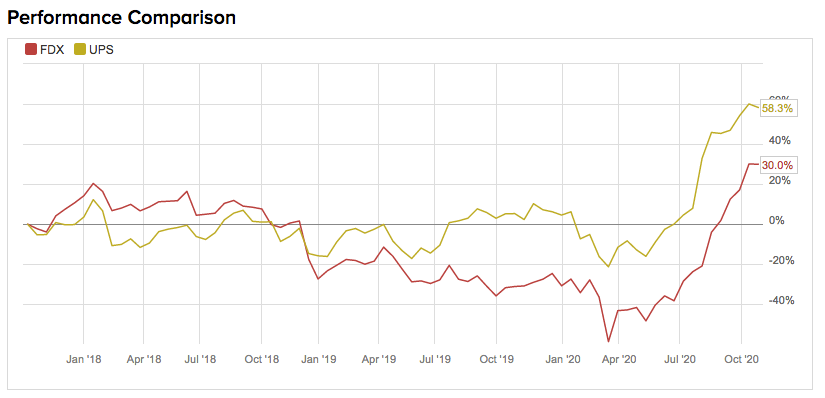
With COVID-19 impacting store closures and bankruptcies in the fashion retail industry, there has been an uptick in the number of online orders and an increase in the U.S. eCommerce spending. This creates an unprecedented demand in hiring for more delivery workers and package handlers at UPS and FedEx in order to speed up the delivery process on millions of orders to consumers — making their services more crucial than it ever was before. COVID will set a new precedent in eCommerce penetration.

UPS is one of the many employers that has been hiring for thousands of workers since the start of the pandemic. They are still currently in good shape as all businesses and consumers drove eCommerce and shipping to a new level. UPS is currently hiring for 100,000 seasonal workers to handle and deliver to meet a surging volume of packages for the upcoming holiday season, with Black Friday, Cyber Monday and Christmas approaching. This includes “extra drivers, driver helpers and package handlers”, according to Business Insider.

“We’re preparing for a record peak holiday season. The COVID-19 pandemic has made our services more important than ever,” said Charlene Thomas, chief human resources officer at UPS. “We plan to hire over 100,000 people for UPS’s seasonal jobs, and anticipate a large number will move into permanent roles after the holidays. At a time when millions of Americans are looking for work, these jobs are an opportunity to start a new career with UPS.”

UPS isn’t the only courier industry hiring for holiday workers. FedEx is as well. They are looking to fill many critical openings that fall under these categories: Package Recovery Agent, Package Handler, Maintenance Tech, Operations Manager, CIL Material Handler, Customs Trade Agent, Forklift Operator, Warehouse Worker and Retail Positions.

If you are still looking for a job and have a driver’s license in your area, you may want to consider applying. Due to the growth of eCommerce and a decline in retail, there is an increased need for workers in the courier and delivery services industry especially during this peak holiday shipping season. UPS, FedEx, and USPS will see package volume soar by up to 70% over last year.

Image via Wall Street Journal

Labor Market Information on UPS and FedEx

via TipRanks
More information on how UPS and FedEx are doing HERE

2020 Resume/Career Advice For Beginners

Image via Vecteezy

While there are certain sectors or industries on the rise, job searching can be tough during this current economic uncertainty. With over 30 million Americans unemployed, many may not have the experience or knowledge base for the role that they are applying for because 1) the job that they were temporarily/permanently laid off or furloughed are currently unavailable since there are no openings due to COVID-19; OR 2) the available jobs available in the labor market is not what they are ideally searching for.

This has been extremely overwhelming for the whole nation and this especially makes it harder for individuals who have to keep a roof over their families’ heads, have babies/children to feed, pay rent and bills, etc.

The key component that is really important right now, is your RESUME. As we all know, it is mid-July now… we are all home since mid-March, which has been 4 months. There are ways that job seekers can change their adaptations of their resumes from what used to be on their resumes. Back then, we generally like to include as many details as possible and what we are proficient in to tailor it according to the job description.

Ideally during then, you want your resume to look presentable to the employer. However, the main issue has always been that job seekers struggle very hard on translating or interpreting that information to their interviews. Now, with COVID-19 and people being home, what job seekers need to do is to draw themselves between two things. Either you are a good public speaker and you should just have general stuff listed on your resume so that you can save it all for the interview to showcase your excellent communication skills; or if you are more shy/introverted, you might have all detailed information on your resume but you will need to practice more on improving your communication effectively during your interview.

Many individuals oftentimes get so nervous about changing their resumes. It shouldn’t be hard when they have it on their flash drives or saved onto their desktops. Many of them right now just do not want to go back to square one again and I totally feel for them. And that can pose issues for those who may have criminal justice record, failing a drug test and anyone who refuses to start from scratch all over again.

On the other hand, those who are still working in their part-time jobs or have reduced hours, are the ones who are still hungry and are currently looking for work. They’re hungry by saying – “Now is not only about experience and not about your resume, because everyone not only in New York City but the U.S. is looking for a job right now. It’s you versus everyone.” Unless you have a good relationship with people and can build or have built some kind of connection with them through LinkedIn or by volunteering, it will be difficult.

So let’s say, what if you only have 1 month of experience at a retail store because it was a seasonal role? What if you do have experience but you couldn’t translate that into a resume? Especially with difficult times like these, you really want to hone in on your job description and you want to place emphasis on the skills that you know the employer wants – which is conveyed in the job description. For instance for a cashier role, if they are seeking someone who is great with the cashiering, customer service skills and using numbers to define how much revenue you increased for the company – you want to really emphasize those things on the resume but you have to tailor it each time because each job, each employer desires different things. And if it’s a customer service job, you will want to shift the customer service bullet up to the top and if it’s not, then you either take it off or shift it to the bottom. This is what would be recommended for someone who does not have a whole lot of experience, on how to at least get the resume to help them advance to the next step.

One of the most resourceful and quickest ways in landing your job/career if you have not built your network, is to seek a career coach to assist you with your resume since they are armed with many valuable resources. On top of that, they have connections with many employers from different industries and sectors – which they can help place you in a job that you are looking for. Many non-profit organizations that are workforce providers offer free services on career development such as resume/cover letter writing, honing your interview skills, career advice, work readiness training and even job placement assistance.

Career coaches are very helpful during this time since they have employer partners who reach out to them for recruitment assistance. They are the ones who are consistently up to date with the labor market trends and which industries/sectors are hiring and not hiring. Career coaches and job placement specialists have seen and judged resumes that they thought would not make it to a job, that actually made it. If they are referring the job seeker to an employer, a useful way with helping them tailor the resumes are by looking at the job description as mentioned earlier. If the job description doesn’t convey honestly what the employer wants, your career coach can help you find out what the employer wants. Career coaches will take their time to coach and counsel you to the best version of yourself and make sure that you know every single thing before you walk into the interview.

They will be there to teach you not to give up, to really hang in there for the long haul, keep applying, keep at it – although we know at this time it is terribly difficult.

Normally, job seekers are asked “What have you been doing ever since you’ve lost your job and how do you fill in that gap?” and now we want to replace it with “What have you been doing since COVID-19 has invaded our lives?”
If you are learning how to use Zoom, remote work or even taking courses to enhance your digital literacy skills, then that is a resume builder. If you are currently taking care of family, then you are a caretaker.

To wrap this up, this is about teaching yourself how to fail. This is about teaching yourself how to not be afraid, how to throw your chances out there and be hungry. If you’re not taught to fail and you’re just going to hold onto that one job, what if they never practiced their interview skills after working in that same job for 2 years?

Moral of the story is, don’t be afraid to throw your resume to every single job opportunity out there in every field because guess what? You may end up liking that job that you’d never imagine that you would be doing. In many cases, there is always room for advancement regardless of what your title is, what department you work for or which industry/sector you are coming from. Your learning experiences come through your resume, you’re receiving feedback during your interviews and if a job really wants you, then you will possess that confidence.

It has been such a fast and deep downturn and that’s what’s unprecedented – we can’t compare it to any other downturn because of that. The problem is that we don’t know what the next 6 to 24 months are going to look like but the job search/hunt process and every new growing opportunity out there is, has always been and will be limitless.

How to Find a Job or Career If You Are Not a People Person

There are individuals who are very sociable, super energetic and outgoing – the extroverts. They share their endless ideas aloud and want to be noticed by others. And there are the introverts, those individuals who don’t really like to talk or socialize with others. They prefer to be alone and do their individual things. They are more silent and reserved. They think out loud with their minds rather than they do with their voice.

I do have a few clients who were seeking job placement assistance from me and I oftentimes receive this message, “I’m looking for a job that’s not customer service related or engaging with people.”

Well, that is definitely okay, because not everyone is built to thrive as a people person. However, it could be a challenge for them during their job search since they will most likely not want to network with professionals – and we all know that this is the quickest way to landing a job.

Especially since the global health and economic crisis that’s still going on currently, you can look into Work-From-Home jobs that do not require you to be client facing.

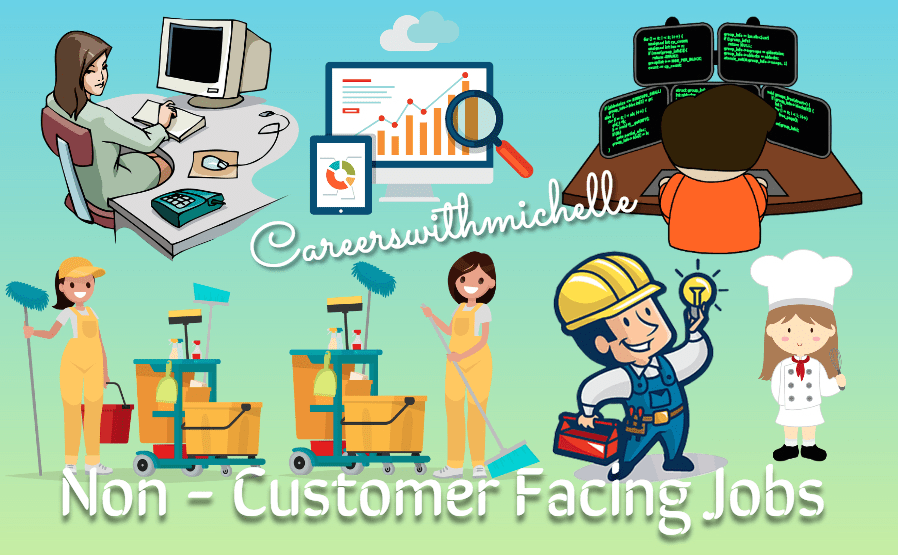
In addition, I have compiled a list of jobs and careers that do not require folks to be client facing. (Please note that all salary and educational percentages are obtained from Career One Stop and Bureau of Labor Statistics)

Data Entry Clerks – Basically, this is a very simple and straightforward kind of job. Although it’s not client facing, data entry clerks need to possess basic digital literacy skills – which requires their knowledge in spreadsheets, proficiency in typing, organization/administrative skills and word processing.
This role consists of compiling data, information or other documentation to report to their colleagues and of course ensure accuracy by checking/verifying the data for any errors. The median annual salary varies however, it typically is around $38,000-$39,000 in the NY Metropolitan Area. Over 50% of the workers in this field have a HS diploma (which is a requirement) or with some kind of college degree.
Click here to see how to build a resume focused on data entry clerk roles!

Actuary – This career requires not only a Bachelor’s degree, but they also need to pass a series of 2-3 exams in the U.S. to become a Certified Actuarial Analyst. That is their passport to landing a financial services career. The median annual salary in the NY Metropolitan Area is $130,100. Actuaries are keen in business (economics, finance, accounting), they are mathematicians (well grounded in algebra, calculus, statistics, probability) and possess strong computer skills since they need to be familiar with statistical analysis programs and many programming languages, as well as manipulating data. Now that you have an idea of their skills and competencies, actuaries combine mathematical reasoning and financial principles to help analyze financial costs of risk for their clients and businesses, and discover solutions to reduce that risk.
Click here to see a guide for those looking to pursue a career in the actuarial field!
Click here to see how to build a resume focused on actuarial science for students!
Click here to see how to build an Analyst Actuarial focused resume!

Software Developer/Engineer – They manage the systems software and applications by analyzing, developing, designing, creating and implementing software solutions. The thing about this career is that even though they build these programs for people, they do not need to talk to people while they are performing their duties. What they are engaging with is technology – the network systems, devices and programming. Typically, software developers need a Bachelor’s degree from Computer Science, Software/Computer Engineering or a related field. The median annual salary is typically around $117,680 in the NY Metropolitan Area.
Click here to see how to build a software developer/engineer focused resume!

Computer Programmer – Rather than engaging with people daily, a computer programmer will be engaging with coding languages instead. They are responsible for developing and writing computer programs/applications and assisting software developers to recoup specific data, documents and information as well designing software solutions. Computer programmers are familiar with coding, mathematics and engineering. They will need at least a Bachelor’s degree from Computer Science, Software/Computer Engineering or a related field. The median annual salary is typically around $92,100 in the NY Metropolitan Area.
Click here to see how to build an entry-level computer programmer focused resume!
Click here to see how to build an experienced computer programmer focused resume!

Janitor/Custodian/Cleaner – Obviously, this job does not require any kind of formal education and definitely not client facing needed since they are solely focused on making everything spotless, dust free and keeping everything in good condition. There are apprenticeships and certifications that they can take to pick up their skills, so that way they can prove to employers that they are competent and are able to do the job. This job is mainly based on experience and their ability to do the job, since it is labor intensive. Janitors, custodians and cleaners usually need to be able to stand for long hours since they clean everything – buildings, sweeping/mopping floors, windows, walls, doors, mowing grass, cleaning restrooms, removing snow, removing debris, etc. Depending on the employer, some might actually need to have a driver’s license since they might need to drive vehicles to other worksites. In addition, in many cases, they will need to know how to repair things, by putting on their maintenance hats. Over 60% of janitors/custodians/cleaners have a high school diploma or less. About 25% have a college degree, and those are probably students who need a job to pay off their student loans/tuition or to pay rent. The median annual salary is $34,030 in the NY Metropolitan area.
Click here to see how to build an entry-level janitorial focused resume!
Click here to see how to build a custodian focused resume!

Technical Writer – Instead of having to communicate with people, all technical writers need to do is to pivot their communication through written expression. They write about technical products. They create step-by-step guides, journal articles, instruction manuals and other electronic matters to make people’s lives easier. Almost 50% of folks in this field typically hold a Bachelor’s degree in Journalism, Corporate Communications or a relevant field specifically related to scientific writing, engineering, business, computer science, medicine. Over 30% of folks in this field hold a Master’s degree/Doctoral or other related professional degree. However, you can’t get away with just a degree. Experience is more relevant. To write about these inanimate objects, technical writers need to possess technical knowledge of how electronic equipment works, be good researchers and organized as they will need to stay up to date with new technologies and consistently compile technical information and other documentation. The median annual salary is $80,710 in the NY Metropolitan Area.
Click here to see how to build a technical writer focused resume!

Interpreter – This is for those who are bilingual, trilingual and even multilingual! If you love communicating in different languages, if you love translating and if you are sensitive to cultural differences, this could be the career for you. Interpreters are responsible for translating oral or written material from one language to another. On average, over 30% of workers in this field possess a Bachelor’s degree in Foreign Language. Interpreters and translators are very keen on the subject of the structure and subject matter of foreign language. Strong written, verbal and listening abilities are a must to do well in this role. They are also usually very knowledgeable on all aspects of the English language as it is very crucial in analyzing the rules of the framework/anatomy, grammar and pronunciation of each language. The median annual salary is $75,180 in the NY Metropolitan Area.
Click here to see how to build an interpreter focused resume!

Image Reviewer – The good thing about this job is it can be remote and done on a freelance basis! If you love photography, editing and touching up photos and approving images according to the company’s guidelines, this could serve as a good gig for you! According to Real Ways to Earn Money Online, image reviewers are responsible for evaluating the images for overall quality, technical execution, commercial suitability and adherence to the company’s acceptance standards. A popular company to work for in this role would be Shutterstock. In order to qualify, typically 2 or more years of photography experience is highly recommended. Photography careers are very dynamic, but to be very specific, if you have experience as a stock agency contributor, photo editor, portrait photographer, photojournalist/news photographer, freelance photographer or a photo researcher, you should go for it. The median annual salary is $54,845 in the U.S.
Click here to see how to build a photographer focused resume!

Film and Video Editors – If you have a creative mind for storytelling, altering motion pictures as well as synchronizing soundtracks with them, this is how they do it! Over 50% of those in this field hold a Bachelor’s degree in Film Studies. Film and video editors are very well versed with media production, electronic/broadcasting equipment and English language (to edit video & audio recordings). The median annual salary is $75,380 in the NY Metropolitan area.
Click here to see one way on how to build a video editor focused resume!
Click here to see another way on how to build a video editor focused resume!

Electricians – Instead of working with customers, electricians work with their hands. Electricians work on many electrical repair projects such as, installing street traffic lights, intercom systems repairing electrical wiring systems and control systems. They have to be knowledgeable in troubleshooting and figuring out what is causing the system/programs to not work – which says a lot about their judgment and critical thinking/decision making skills since they have to come up with quick ways to deliver a solution. Folks in this field are usually keen on tools that are associated with construction repair and mechanics – they must be familiar with the machines and tools that they are using to repair (whether it is a highway, road, street lights, etc.). Strong mathematical ability is a highly preferred skillset although not needed. A solid grasp of sums and geometry are helpful for calculating the areas/lengths for securing circuit breakers and wire installations. Algebra is also a big help for computing electrical loads and currents. About 70% of electricians hold a high school diploma/equivalent, or some kind of college degree (Associate’s & Bachelor’s). The median annual salary is $76,610 in the NY Metropolitan area.
Click here to see one way on how to build an “eye-grabbing” electrician focused resume!
Click here to see another way on how to build an electrician focused resume!

Head Chefs – If you are one of those who enjoy cooking and coming up with new recipes to showcase your creative cooking ideas, this may be the right fit for you. Plus, who doesn’t love food? Head chefs prepare ingredients and cook all kinds of meals and desserts. However, they do more than just those. They are responsible for monitoring other staff members to ensure that they are on the right track to provide customer satisfaction, and to swiftly handle any food-related issues. The median annual salary is $58,190 in the NY Metropolitan area. Over 30% of those in this field have a high school diploma or equivalent. No college degree is needed for this, however there are many vocational training schools below offered by Career One Stop that prepare others for this:

In a Post-Pandemic World: Best Practices on Improving Virtual Employee Engagement

Looking to better understand how HR and leaders/managers are engaging their teams and keeping morale positive with the COVID-19 pandemic upon us all?
I have outlined some of the best practices for maintaining virtual employee engagement while we are all working from home.

Virtual team building activities are a wonderful engagement tool – such as leading an interesting ice breaker, which can help improve the lack of communication that some colleagues/team members may have, especially since working from home now can be isolating and depressing for many of us. This really helps colleagues spend time together to enjoy and reduce stress.
This is a good tactic for team members, leaders and managers to organize – to drive employee motivation and engagement, and an effective way to get everyone to know each other personally and professionally – and even learn from each other’s innovative ideas.
To ensure its success, during the team meetings (smaller groups), leaders and managers should have each team member take turns to come up with an ice breaker before the next meeting. That way, everyone has a chance to participate and can contribute to something.
In staff meetings (larger groups), leaders and managers should come up with a different kind of virtual activity that will boost everyone’s productivity. It is a great warm up for the brain before getting into serious discussions – such as guessing games like Trivia and Taboo.
The only uncertainty to this approach is settling with the right activity for everyone in the meeting because not every employee will enjoy the game.

Image via Shutterstock
  • Creating an online leeway is also another way of engaging and motivating employees during this time. There should be leisure time for employees where they can discuss freely on non-work related stuff. Remember, we are humans and not robots. We need leisure activities to help us maintain a great work-life balance that will positively impact our mindsets, in such a way where we can invest in our physical and mental health. This also helps employees create a sense of community by reducing the sensation of social distancing.
  • Below are some ideas of virtual leisure activities where employees can network and connect with their teammates on both a personal and professional level. The most popular platforms to host these events would be Zoom or Google Meet.
    ☻ Virtual Lunch Meetings
    ☻ Virtual Wellness Programs (Workout Sessions, Dance Lessons, Yoga/Meditation Classes, Ergonomics, Talent Shows, Karaoke)
    ☻ Virtual Hackathons
    ☻ Virtual Happy Hour
    ☻ Virtual Community Engagement Events
    ☻ Virtual Team Retreats
    ☻ Virtual Zoom Workshops/Organized Discussions
    > Show and Tell: Employees sharing a favorite object/memory and explaining the importance of it to others
    > Interactive training to increase employee development
    > Guess The Person: Employees can quiz their colleagues and figure out who’s who

    Of course, every organization has a different perspective and their own ways of proposing their team building communication tools. For more inspiration and creative ideas that you may want to engage your team members in, check out this article on SnackNation which provides 52 Virtual Team Building Activities To Boost Remote Employee Morale In 2020.

    Virtual office hours can bring employees closer together and connect in real time. You want to first establish a communication tool that works best with your team. The COVID-19 outbreak has forced employees to work from home. This gives them the freedom to work flexibly and stay connected to their work regardless of time and location.
    Clear your schedule and give 3-5 hours a week of your availability to catch up with colleagues to answer any urgent questions/issues that they may have regarding a task/project, OR to just even chat.
    The best team communication tools at the moment that I’ve been hearing are: Slack, Zoom, Cisco Webex, Skype, Trello and Google Meet / Google Hangouts. They are completely free of cost to use and especially beneficial for non-profits. However, there are more resources below that you are not limited to:

    The 15 Best Internal Communication Tools (via ContactMonkey)
    Best online collaboration software of 2020: paid and free tools for work sharing and communication (via TechRadar)
Image via Shutterstock

Maintain visibility with your supervisors, team, collaborators and upper management. It is crucial to keep them up to date with what you are working on since there is no micromanagement when working from home. It isn’t as easy as those days where your supervisor was just a cubicle away from you and can come to check in on you whenever convenient. This is a good way to maintain effective communication (face-to-face via Zoom) – not only in staying up to date with team projects, tasks and meeting deadlines, but this also gives supervisors a chance to track your progress and be there to guide you on whatever challenges you may have. The key to a robust workforce and effective employee engagement is to ensure that their contributions and industriousness are being acknowledged. Recognizing their hard work and achievements, propels and motivates employees in delivering the best results.

Image via Shutterstock

Watch your tone (especially when you are not communicating face-to-face).
One of the biggest drawbacks of written communication is miscommunication. This can trigger misunderstandings and misinterpretations between the sender (you) and the recipient (them). Normally, many of us use visual and verbal cues when communicating face-to-face, which adds meaning to the things we say – and that includes our body languages, hand gestures and facial expressions. However, since everything has shifted to remote work, the lack of these signals can cause our messages to come across as rude or something that we did not intend it to be. We should be mindful that as we are emailing others, it can be helpful to humanize and illuminate the tone of these messages through our clarifications. I suggest that adding a smiley face emoji and starting off the email with a warm tone such as, “I hope this email finds you, your coworkers and your loved ones safe and well during these uncertain times” can really lighten up the mood of a message.

Start a blog and create weekly posts. RECOGNITION. Highlight employee achievements. Include employee and client testimonials and stories. This does not only promote employer branding and visibility, but this is also the main strategy in maintaining employee retention as it makes them feel more connected to their organization. According to Impraise, when a manager takes time to regularly demonstrate gratitude and appreciation for an employee’s accomplishments it can motivate, engage, and reinforce positive behaviors and outcomes. Similarly, with the rise of project teams and more collaborative workplaces, it’s also important to create a culture where positive peer feedback is exchanged amongst the people you work most closely with.

Last but not least, please don’t forget to take mini breaks, short walks and practice on self-care. It is super important for all of us to catch up on self-care during times like this. It is okay to give yourself permission to pause and clear up your mind. Remember, it is not selfish to take the time for yourself.

… If you feel “burnout” setting in, if you feel demoralized and exhausted, it is best, for the sake of everyone, to withdraw and restore yourself.

Dalai Lama